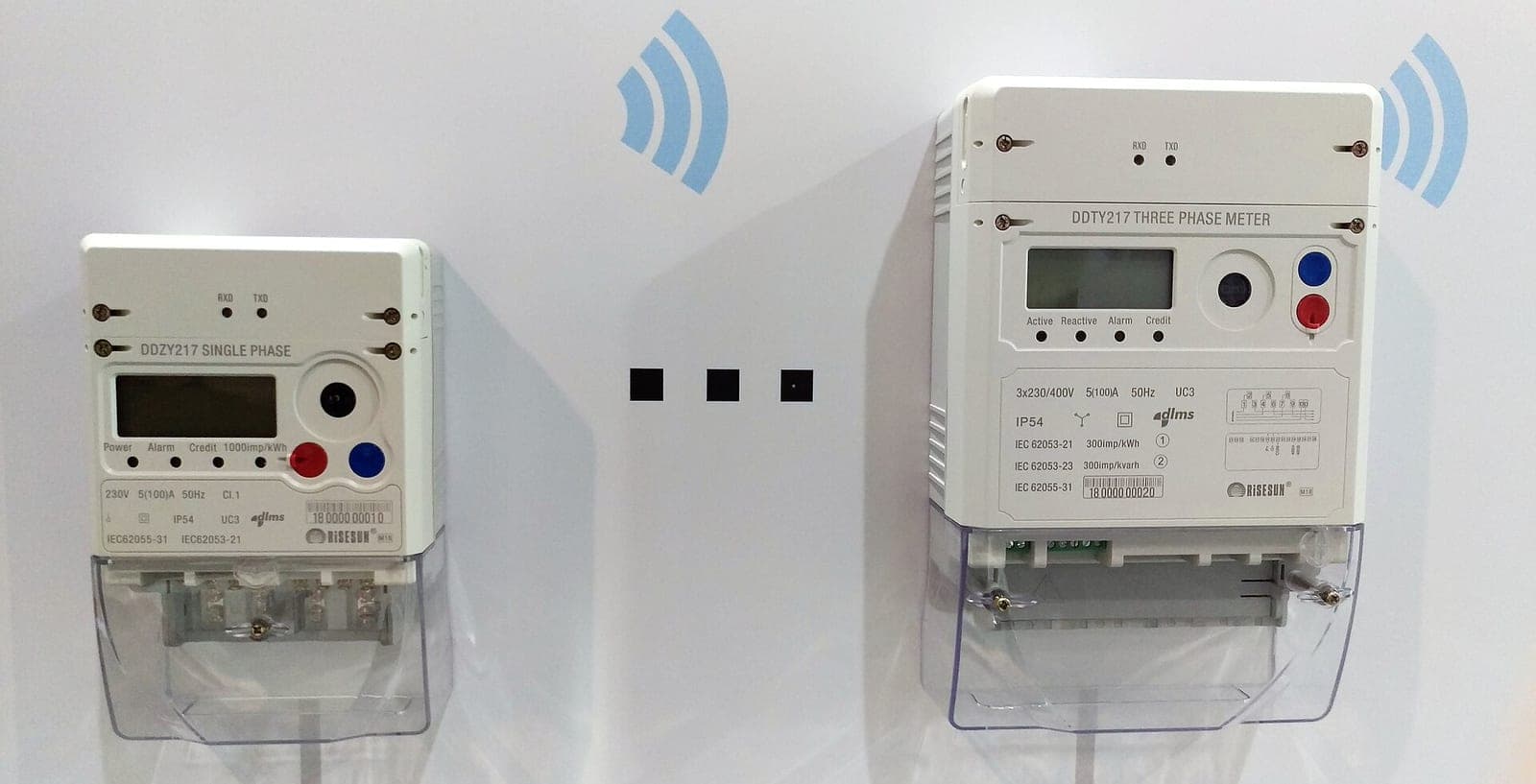

What is a sub-meter? Energy monitoring and anomaly detection
A sub-meter measures the consumption of a specific machine, line or area separately, below the main meter. It gives equipment-level visibility and makes unusual consumption easier to spot early.
Request a demoRenokta Ekibi ·
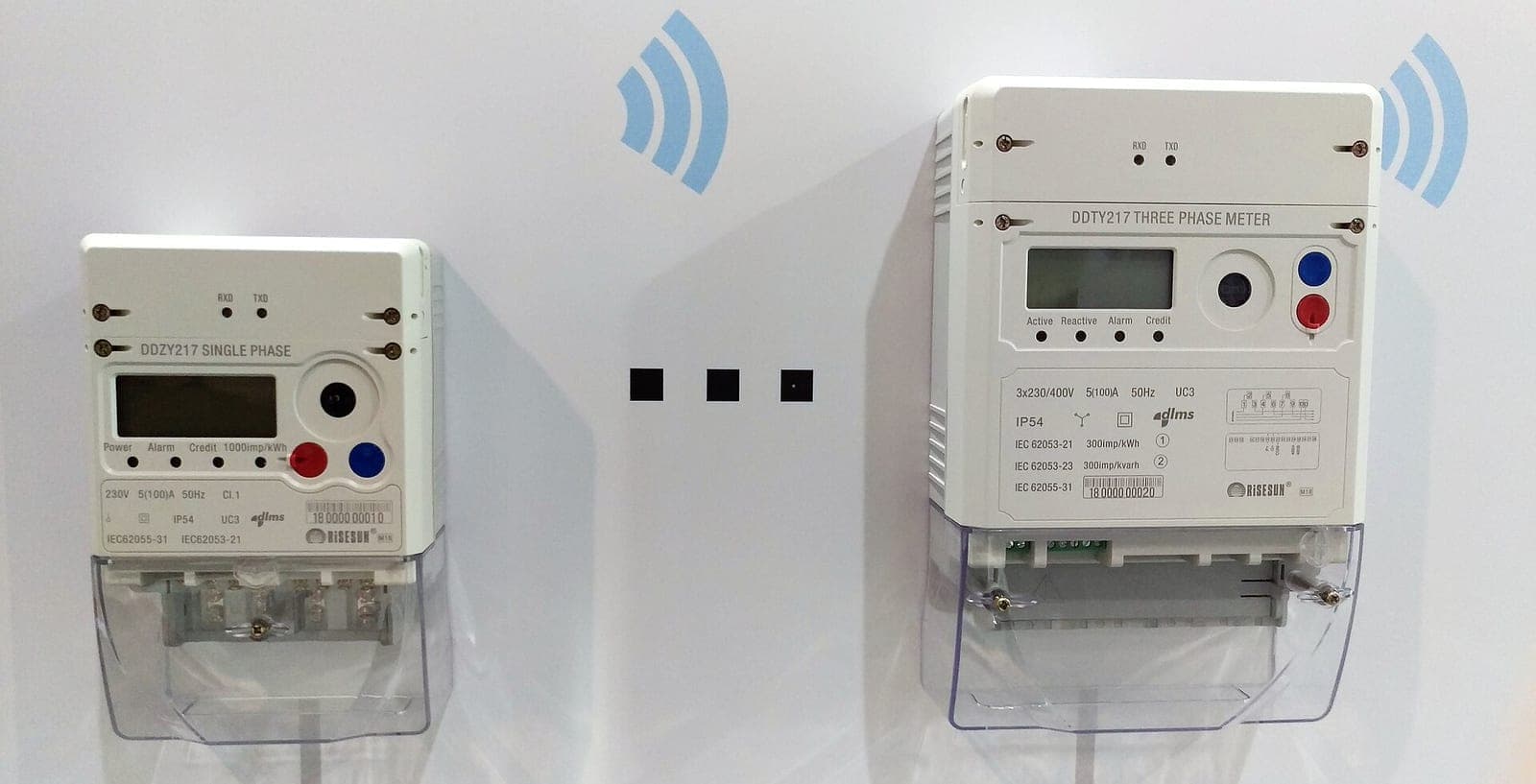
- 1. Sub-meter measurementCurrent, voltage, power and energy are measured per machine or line.
- 2. Data transferMeasurements travel to the monitoring platform over a communication link.
- 3. Equipment visibilityConsumption is broken down by machine, area and time.
- 4. Normal patternThe usual consumption behavior of the machine is learned from history.
- 5. Deviation alertUnexpected consumption raises an alarm and starts an investigation.
A sub-meter sits below the main electricity meter and measures the consumption of only a specific machine, line, panel or area. While the main meter shows the total, sub-meters show where that total goes.
What is the difference between a sub-meter and a main meter?
The main meter measures the total energy a facility draws from the grid, while a sub-meter measures a part of that total. Billing usually relies on the main meter, and sub-meters are used for internal visibility.
You can see from the main meter that total consumption has risen, but only sub-meters show which line the increase came from. That difference noticeably cuts the time spent looking for the cause.
Sub-meters can be added to an existing facility later as well as at new installations. Where there is room in the panel, DIN-rail devices are common, and for large currents, models that work with current transformers are used. Installation should be done by qualified electrical staff with the power isolated.
Which quantities does a sub-meter measure?
A three-phase energy analyzer or sub-meter can measure current, voltage, active and reactive power, power factor and total energy. Depending on the device, extra quantities such as frequency and harmonics may also be available.
These quantities make the most sense when read together. For example, current rising while power stays flat may point to a drop in power factor. Seeing several quantities on the same time axis makes interpretation easier than looking at a single value.
- Current: the current drawn by the load; a clue to overload or imbalance.
- Voltage: the level of the supply voltage and its balance between phases.
- Power: instantaneous active and reactive power.
- Power factor: the ratio showing how much of the drawn power does useful work.
- Energy (kWh): total consumption over a period.
What is equipment-level visibility good for?
Equipment-level measurement shows how much each machine or system consumes and when. This can support decisions such as shift planning, detecting idle running and allocating costs.
Once an equipment profile is built, the daily operating pattern of a machine becomes clear. This makes it easier to notice equipment left on unnecessarily, overlapping operating hours and frequent starts. The first step of any improvement is often this visibility.
- Seeing the power a machine draws while idle or on standby.
- Comparing the consumption of two machines doing the same job.
- Reporting consumption by area, tenant or production line.
- Verifying the consumption difference after maintenance or a change.
How is anomaly detection done with sub-meter data?
Anomaly detection learns a machine's normal consumption pattern from data and flags deviations from it. The simplest form is a threshold being exceeded, or unexpected consumption within a time window.
More detailed approaches compare consumption with similar past periods. For example, a line that should be off at night but still draws power is a deviation. The cause is not always a fault; it can be a planned change, so an alarm is the start of an investigation.
How do you plan sub-meter placement?
Placement starts with the measurement points that will influence decisions most: usually large motors, cooling and ventilation, lighting and production lines. Instead of measuring every load, first choose the groups that explain most of the consumption.
- Decide on the panel's supply arrangement and a suitable measurement point.
- Assess whether current transformers are needed based on the load current.
- Plan the communication path that will carry the data to the monitoring platform.
- Give measurements clear names and match them to the equipment list.
Sub-metering breaks consumption into manageable parts and lets you see deviations early. To decide together which points are worth measuring in your facility, see our energy analysis and anomaly solution page or get in touch for a needs discovery.
Frequently asked questions
- What is a sub-meter?
- A sub-meter measures the consumption of a specific machine, line or area separately, below the main meter. It shows where total consumption goes and gives visibility at equipment level.
- How does a sub-meter differ from a main meter?
- The main meter measures the total a facility draws from the grid and usually underpins billing. A sub-meter measures a part of that total and is used for internal monitoring and analysis.
- Which quantities does a sub-meter measure?
- Depending on the device, it can measure current, voltage, active and reactive power, power factor and energy (kWh). Some devices also offer extras such as frequency and harmonics.
- How does anomaly detection work?
- The normal consumption pattern of a machine is established and deviations are flagged, for example consumption at a time when it should be off. An alarm is a starting point for investigation, not a certainty.
- Do you need a sub-meter on every machine?
- No. Measuring the load groups that make up most of the consumption is a sufficient start. The scope can be widened later according to the important areas that the first data reveals.