
What is a smart greenhouse system?
A smart greenhouse system continuously measures quantities such as temperature, humidity, CO₂, light and soil moisture with sensors, collects the data on a platform, and raises alarms and reports to support irrigation and climate decisions. It lets a grower follow conditions remotely without visiting the greenhouse each time.
Greenhouse conditions change quickly during the day. Continuous measurement helps you base irrigation and ventilation decisions on measured values rather than guesses, and compare different periods and greenhouses with each other.
How does it work?
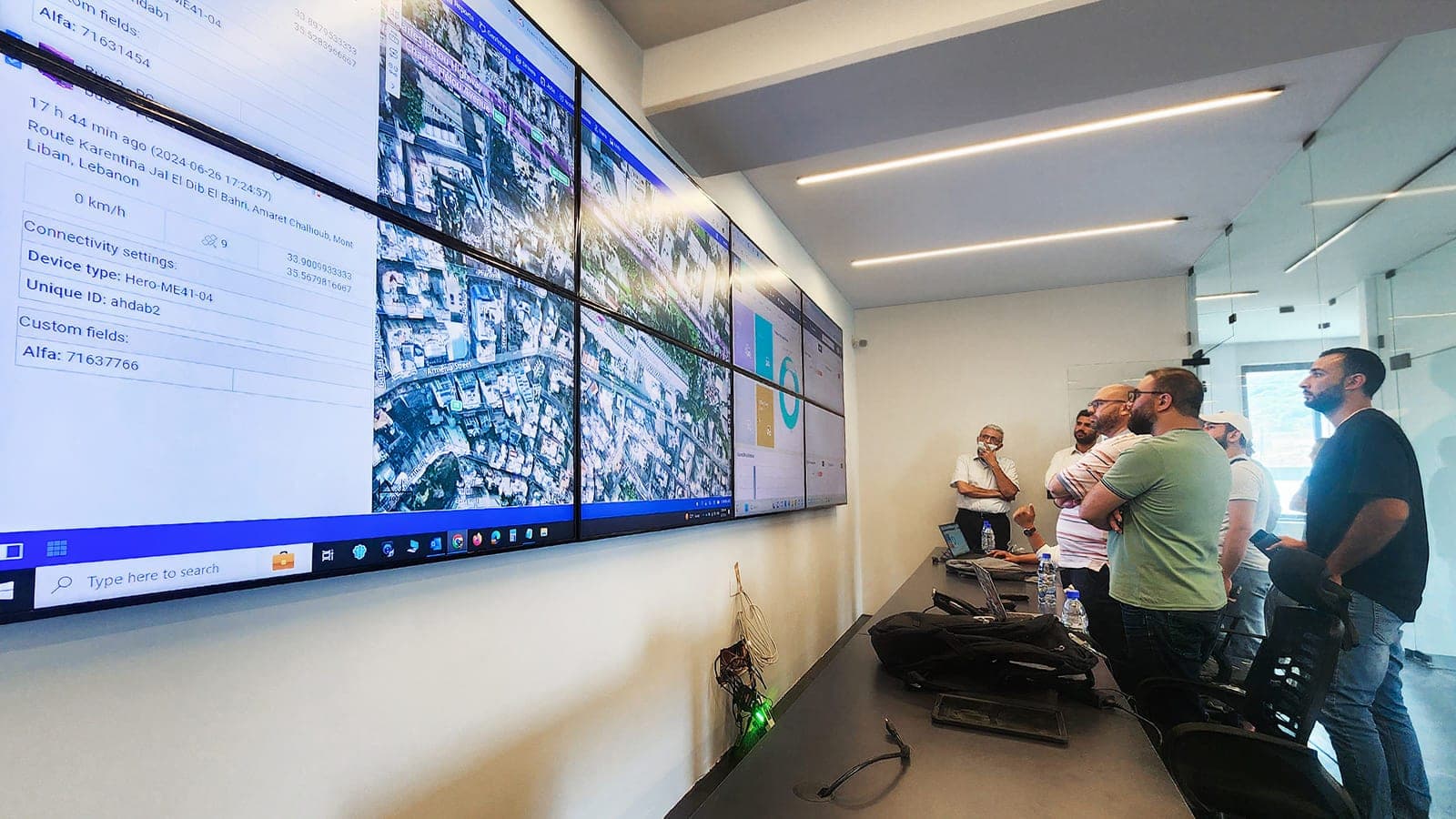
Sensors placed in the greenhouse and in the soil send readings to a gateway. The gateway forwards the data to the platform. The platform plots the values, sends a notification when a threshold is crossed and keeps the history.
- Sensor: measures climate and soil values.
- Gateway: collects data in the greenhouse or field.
- Platform: dashboard, alarms and reports.
- Output: live conditions, threshold notifications and period comparison.
Which quantities are measured?
- Air temperature: for plant growth and the risk of frost or excess heat.
- Relative humidity: to see disease pressure and the need for ventilation.
- CO₂: to support ventilation and fertilisation decisions in closed greenhouses.
- Light: to follow whether light is sufficient during the day.
- Soil moisture: to see when and how much irrigation is needed.
- Irrigation water: to follow water status and use.
What separates an industrial system from an Arduino prototype?
Prototypes built on Arduino and similar boards are good for learning and trying ideas. A system that runs continuously in production has different expectations.
- Arduino prototype: starts at low cost, but a housing that withstands moisture and heat, power backup and remote management have to be solved separately.
- Industrial sensors and gateway: hardware designed for greenhouse conditions with central management; the first installation is more planned.
- Wired setup: stable, but cabling is laborious in large greenhouses.
- Wireless (LoRaWAN) setup: covers wide areas with little cabling; coverage is verified during the survey.
Who is it for?
- Greenhouse growers and growing cooperatives.
- Farms that want to monitor soil moisture in open fields.
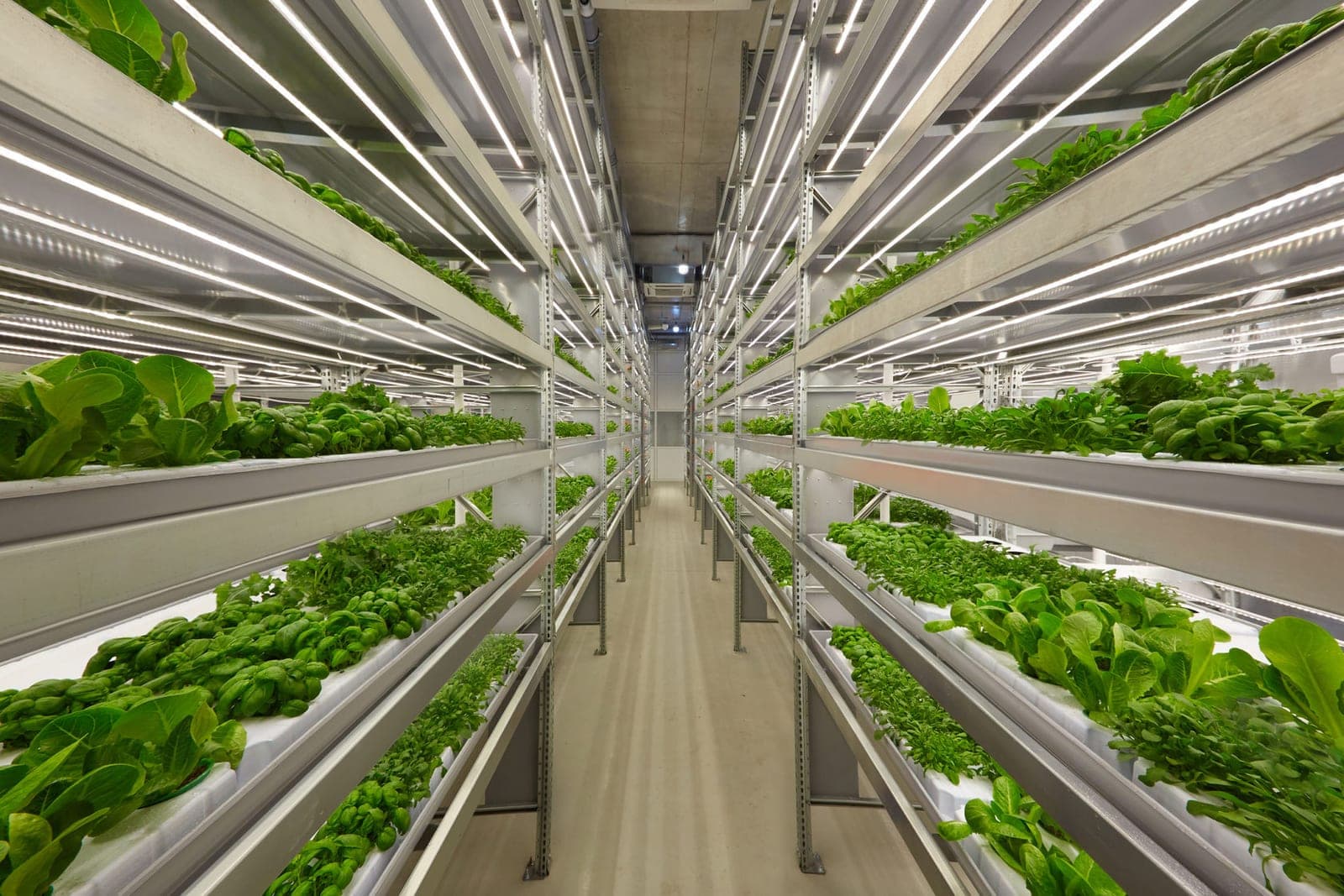
- Vertical farming and controlled-environment start-ups.
- Seedling and seed producers.
How do alarms and notifications work?
You set the thresholds according to your crop and its stage. When temperature, humidity or soil moisture crosses a threshold, the platform notifies the people you choose. The alarm is acknowledged and logged with its time.
If the connection drops, behaviour depends on the device used; the details are settled during the survey.
Integration with existing systems
If the greenhouse has irrigation automation, a climate control panel or a pump controller, data can be exchanged with them through interfaces such as Modbus, MQTT or an API. The interface is adapted to the equipment you already have.
Data privacy and security
The system collects environmental data such as climate and soil readings; it does not collect personal data. Dashboard access is limited by user accounts and role-based permissions. If a use involving personal data is planned, the privacy assessment is made with your own legal counsel.
Installation and what we need for a quote
During the survey we walk the greenhouse and land and decide sensor points and coverage. A pilot is set up in one greenhouse or parcel, readings are verified, and then it is extended.
For a quote we need the number of greenhouses and parcels, the area, the quantities to monitor, power and internet availability, and your current irrigation equipment. You can write to us through the contact form.
Highlights
Greenhouse climate in one dashboard
Temperature, humidity, CO₂ and light are followed live and compared with history.
Soil moisture monitoring
Soil moisture at different depths and points is shown to support irrigation decisions.
Irrigation water tracking
The status and use of irrigation water are followed on the dashboard.
Threshold alarms
When a threshold you set for your crop is crossed, chosen people are notified.
Suited to large areas
Wireless sensors allow installation in large greenhouses and fields with little cabling.