
What is a cold chain temperature monitoring system?
A cold chain temperature monitoring system continuously measures temperature and humidity in cold rooms, warehouses, refrigerated vehicles and coolers with sensors, collects the data on a platform, raises an alarm when a threshold is crossed and stores the records as reports. Its purpose is to show, in a way that can be demonstrated, that product stayed in range along the chain.
Manual check rounds cannot see deviations between readings. Continuous monitoring keeps records at night, on weekends and on holidays, and gives you a chance to react to a fault before product is lost.
How does it work?
Sensors placed in the cold room send readings wirelessly to a gateway. The gateway forwards the data to the platform. The platform stores each value, compares it with the threshold and sends a notification when needed.
- Sensor: measures temperature and humidity and reports at set intervals.
- Gateway: collects data from the sensors on site.
- Platform: handles recording, dashboard, alarms and reports.
- Output: live values, alarm notifications and a history for audits.
Which quantities are measured?
- Temperature: to see whether product stays in its safe range.
- Relative humidity: where it matters for product quality and packaging.
- Door state: to notice a door left open before temperature rises.
- Cooling unit run state: to spot a failure early.
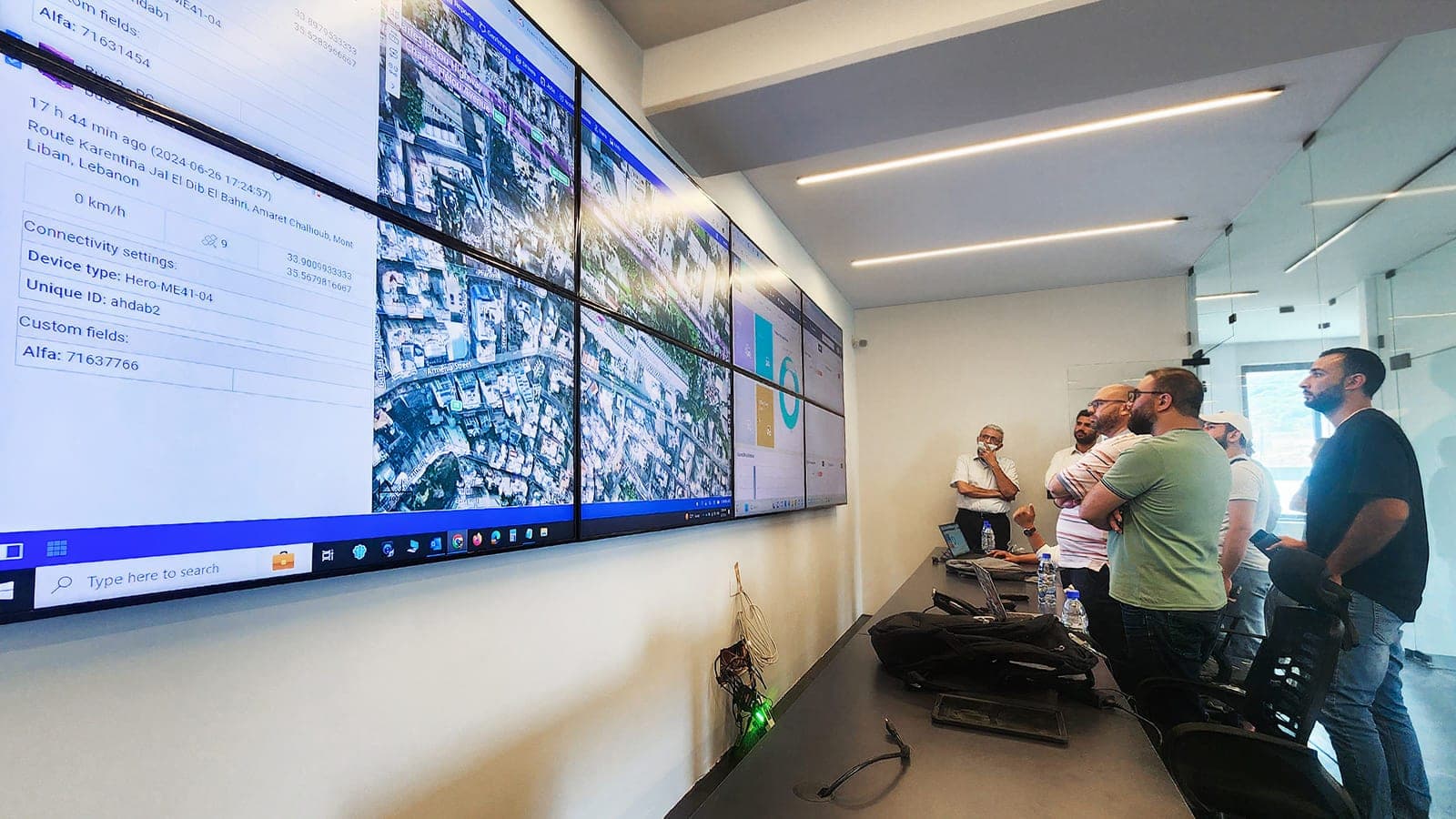
- Location and temperature (on vehicles): to follow the chain during shipment.
Which method or technology fits?
- Manual logging with a thermometer: cheap and simple, but readings are occasional and deviations in between go unseen.
- Data logger: records continuously, but you must visit the device and download the data to see it.
- Wireless sensors with a platform: data is watched live and alarms arrive at once; needs an installation and connectivity plan.
- LoRaWAN-based sensors: suit large warehouses with little cabling; coverage is verified during the survey.
Who is it for?
- Food producers, distributors and cold storage operators.
- Organisations storing vaccines, medicines and lab samples.
- Logistics companies shipping with refrigerated vehicles.
- Supermarket and restaurant chains with many kitchens and coolers.
How do alarms and notifications work?
Threshold values are set by the user according to the product and the relevant regulations; the system applies them. When a value crosses the threshold, an email, SMS or app notification goes out. If nobody acknowledges the alarm, an escalation rule can pass it to the next person.
Each alarm is logged with its value, time and the person who acknowledged it. If the network drops, sensors can be configured to keep readings in memory; this depends on the device used and is confirmed during the survey.
Integration with existing systems
Data can be passed to your warehouse software, ERP or building automation through interfaces such as MQTT or an API. The interface is adapted to your needs. Report outputs can be exported.
Data privacy and security
The system collects process data such as temperature, humidity and device state; it does not collect personal data. Access to the dashboard is limited by user accounts and role-based permissions. Retention periods and audit requirements are decided with your own quality and legal teams, according to the relevant regulations.
Installation and what we need for a quote
During the survey we walk the rooms and vehicles and decide sensor positions and coverage. A pilot is set up in one room or vehicle, the data is checked, and then it is extended to other areas.
For a quote, tell us the number of rooms and vehicles, the measurement points in each, the quantities to monitor and your existing software. You can write to us through the contact form.
Highlights
Continuous temperature and humidity
Values from cold rooms, warehouses and vehicles appear on a live dashboard and in history charts.
User-defined thresholds
Alarm thresholds are set by you according to your product and the relevant regulations.
Alarm flow and acknowledgement
An alarm is notified, acknowledged and logged together with its time.
Audit log and reports
Readings and alarms can be queried back in time and exported as reports.
Buffer for connection loss
With suitable devices, readings can be held in memory and sent once the connection returns.