
What are a vehicle tracking system and fleet management?
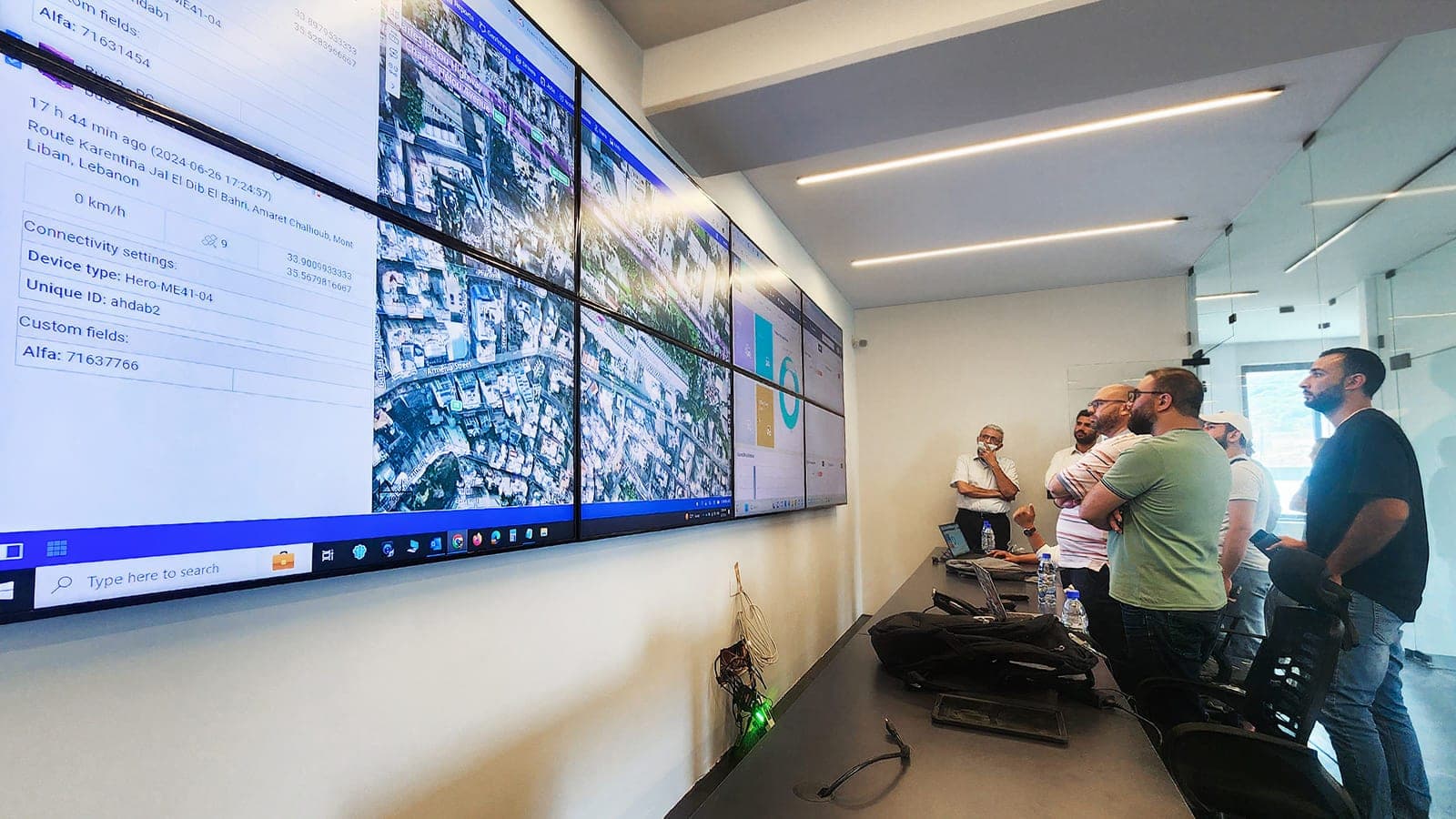
A vehicle tracking system uses a GPS tracker installed in the vehicle to send its location, speed and engine state continuously. Fleet management software turns that data into route, idling, driving and maintenance reports, so the business can follow and plan all vehicles from one dashboard.
How does it work?
The tracker in the vehicle gets its position by GPS and sends it over the mobile network to the platform. The platform shows the position on a map, records the route and raises alerts based on defined rules.
- Tracker (hardware): collects location, speed, ignition and, if present, sensor data.
- Mobile network: carries the data to the platform.
- Fleet management software: provides the map, route history, reports, alerts and maintenance tracking.
What does it measure?
- Location and route: where the vehicle is and where it has been.
- Speed: whether a defined limit is exceeded.
- Ignition and idling time: how long the vehicle waits with the engine on.
- Fuel level or consumption: when the vehicle and sensor allow it.
- Mileage and engine hours: for periodic maintenance planning.
- Driving behavior: events such as harsh braking and harsh acceleration.
Which method or technology should you choose?
- Aftermarket GPS tracker: fits vehicles of different brands; installation requires working on the vehicle.
- Vehicle data bus connection (CAN/OBD): provides detail such as fuel and engine data; availability varies by vehicle model.
- Hardware and software kept separate: tracker and software can be chosen independently; a compatible protocol is required.
- Phone-app tracking: runs on the driver's phone and is easy to set up; data stops when the phone is off.
Which brand of GPS tracker is used and how it is supplied depends on the need; if you already have trackers, the software layer can be set up with them as well.
Who is it for?
- Distribution and logistics companies
- Field service and maintenance teams
- Construction sites and heavy equipment operators
- Organizations with company vehicles
- School and staff shuttle services
A note on the data path: the tracker reports position at set intervals; frequent reporting draws the route in more detail but increases data volume. The interval is set according to the type of work. Values on the page dashboard are simulated, not real measurements.
How do alerts and notifications work?
Zone entry and exit, speed limits, long idling or ignition on are defined as rules. When a rule triggers, the responsible person gets an email or dashboard notification and the event is logged.
If a vehicle leaves network coverage, the tracker keeps data in its own memory and tries to send it when the connection returns; this behavior varies by tracker model.
Integration with existing systems
The software can share data with systems such as dispatch, ERP or maintenance software. Methods like REST API, MQTT or file-based transfer are adapted to the need and settled during the survey.
Data privacy and security
Vehicle location can count as personal data once it is linked to a driver. Informing drivers and defining the scope of tracking are therefore assessed with the company's own privacy notice and legal counsel.
Platform access is limited by user accounts and permission levels, and which user may see which vehicles can be set separately.
Installation process and what a quote needs
The survey looks at vehicle types, existing trackers and reporting needs. A pilot with a few vehicles comes first, and once the results are clear it is extended to the whole fleet.
For a quote, the number of vehicles, vehicle types, the reports you need and any existing tracker and software are enough. Get in touch with us.
Highlights
Live location and route history
Follow all vehicles on one map and review past routes over any date range.
Idling and speed rules
Rules for long idling, speed limits and zone entry or exit send alerts automatically.
Maintenance tracking
Periodic maintenance reminders are created from mileage and engine hours.
Reporting and export
Reports per vehicle, driver and period are prepared and can be exported when needed.
Hardware and software kept separate
The software layer can be set up with your existing trackers or with hardware chosen for the need.