
What is a smart office and store solution?
A smart office and store solution is an IoT system that measures CO₂, temperature, humidity and occupancy in work and retail spaces. It warns about ventilation when air quality passes a limit, makes HVAC and lighting use in empty areas visible and reports meeting room usage.
How does it work?
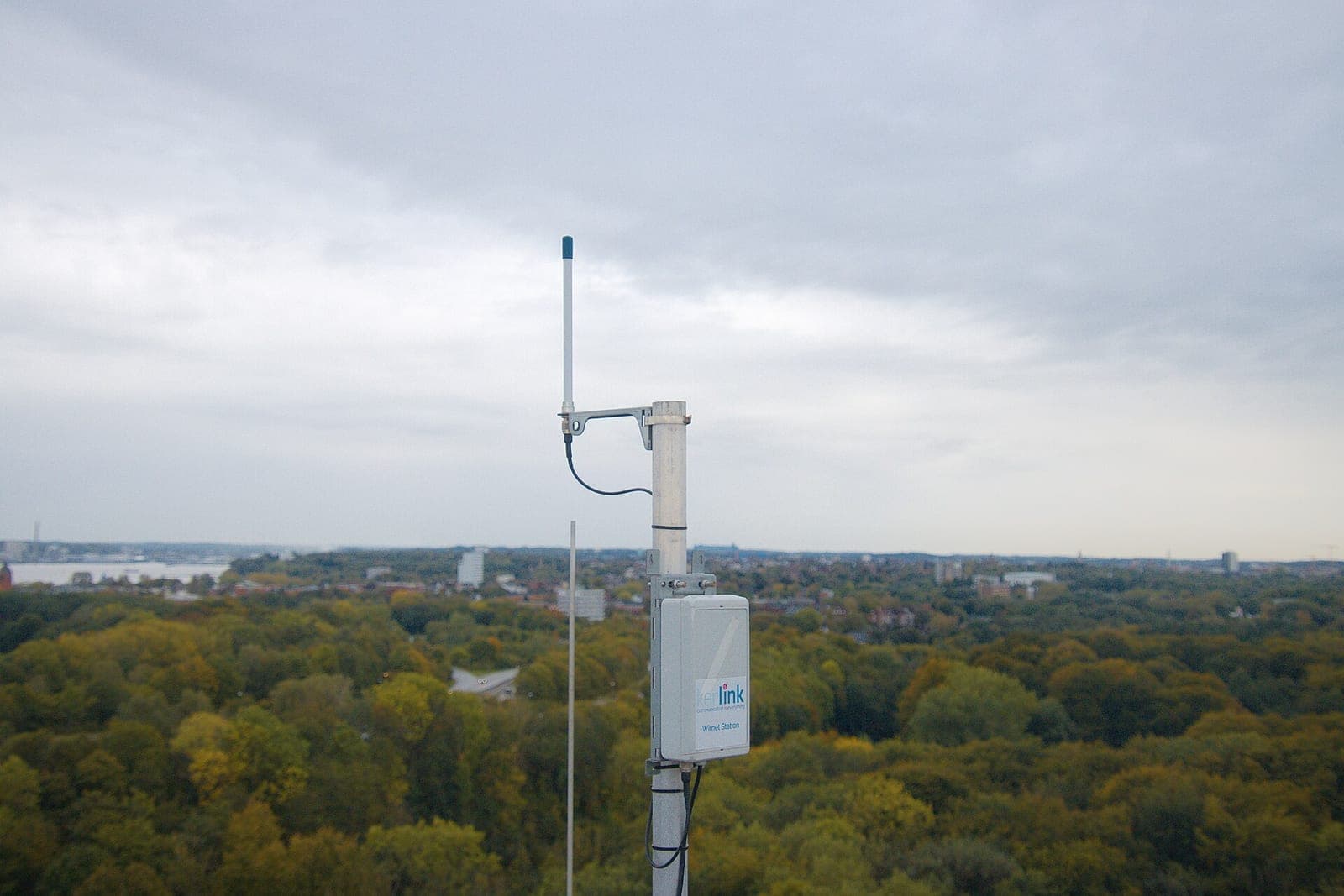
Ambient sensors are mounted on ceilings or walls and send readings over LoRaWAN to a gateway. The gateway forwards the data to the platform, which watches the thresholds and updates the dashboard.
- Sensors: measure CO₂, temperature, humidity and occupancy.
- Gateway: collects data on the office or store floor.
- Platform: applies air quality rules, creates alerts and usage reports.
What does it measure?
- CO₂ concentration: an indicator of ventilation need.
- Temperature and humidity: to judge comfort and HVAC settings.
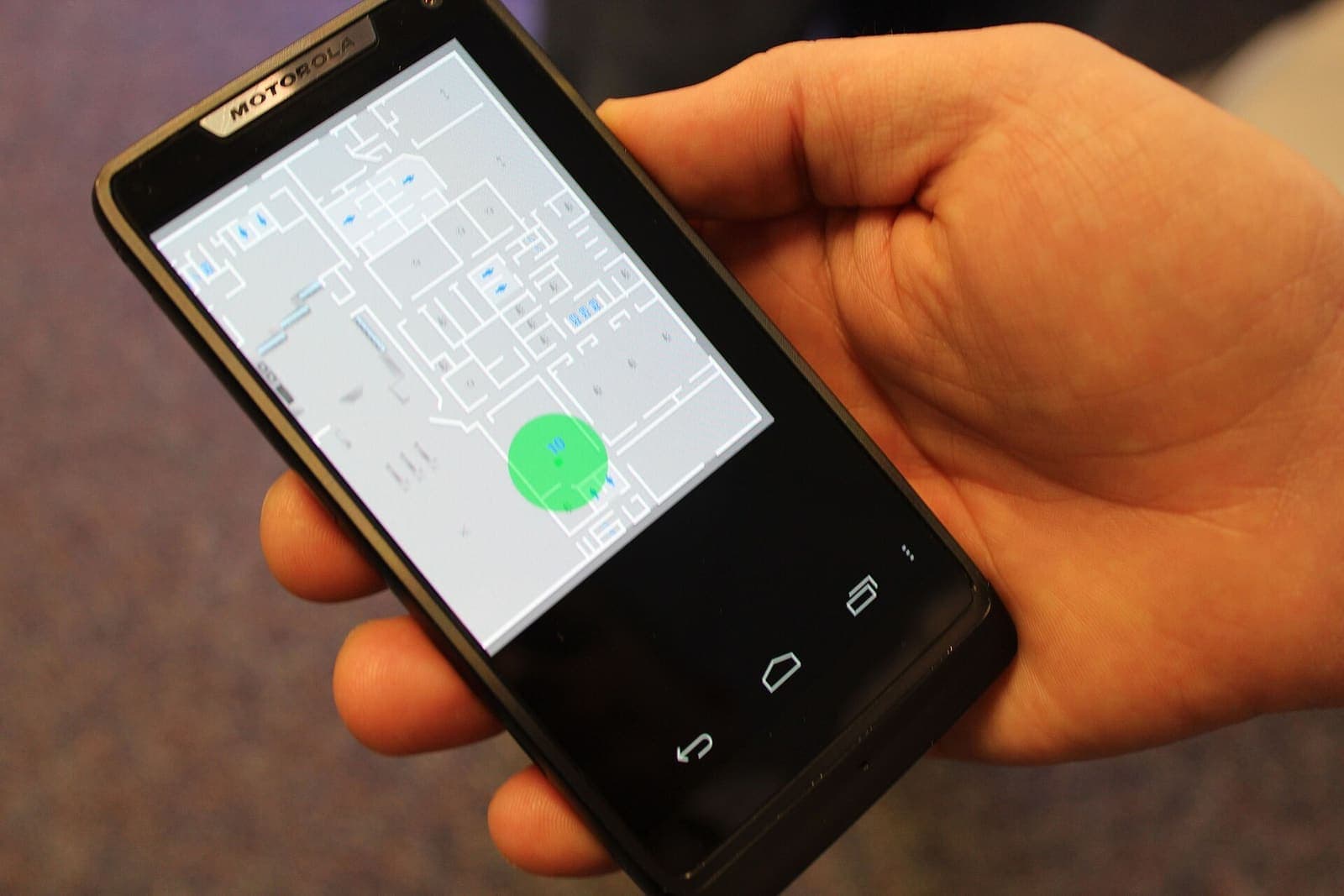
- Occupancy and headcount: to see how meeting rooms and work areas are used.
- HVAC and lighting run time: to catch unnecessary use in empty areas.
- Sensor battery level: for maintenance planning.
Which method or technology should you choose?
- NDIR CO₂ sensor: measures CO₂ directly and is generally more dependable than estimated-CO₂ sensors; it can cost more.
- PIR occupancy sensor: sees motion only and is simple to install; it does not give a headcount.
- People counting sensor: counts entries and exits; suits narrow passages such as doors and corridors.
- Building management system (BMS) sensors: reuse the existing infrastructure; adding new points can be laborious.
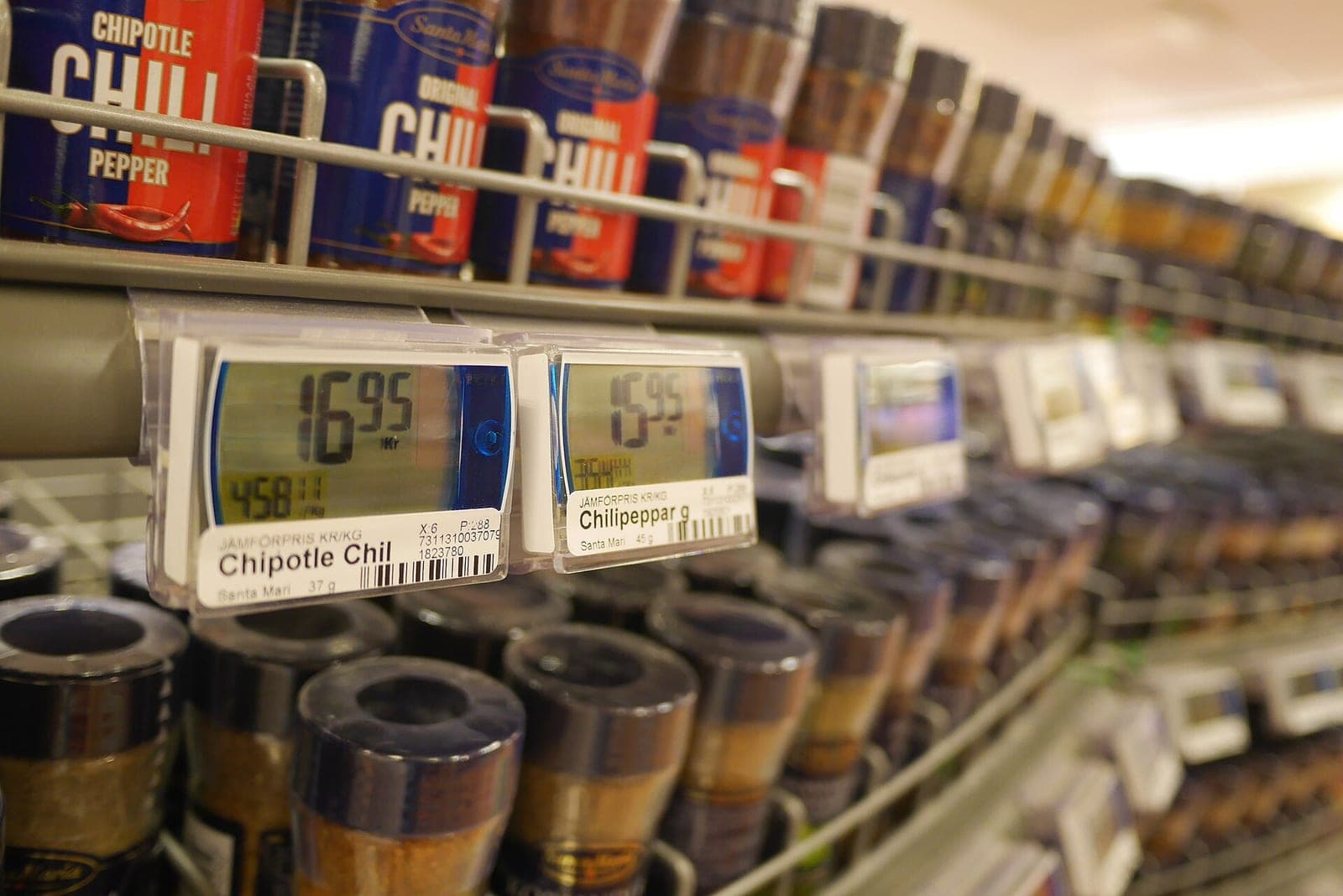
In retail, systems such as electronic shelf labels also exist. They are a separate need and can be planned alongside ambient monitoring.
Who is it for?
- Offices and business centers
- Meeting and training rooms
- Stores and shopping center units
- Schools, clinics and similar enclosed public spaces
A note on the data path: sensors send readings at set intervals, and the shorter the interval, the faster the battery drains. The interval is set according to how quickly the measured quantity changes. Values on the page dashboard are simulated, not real measurements.
How do alerts and notifications work?
A CO₂ limit or temperature range is defined as a rule. When the limit is approached, facility management gets an email or dashboard notification; once the room is ventilated the value drops and the event stays on record.
If a sensor sends no data for a set time, a connection-lost alert is raised, so a failed sensor does not go unnoticed.
Integration with existing systems
Controlling ventilation, HVAC and lighting may require a link to the building management system. Interfaces such as MQTT, REST API and Modbus are used; which one applies is adapted to the need.
Data privacy and security
Occupancy and ambient sensors do not collect identity, images or sound; they produce numeric readings only. Platform access is limited by user accounts and permission levels.
If headcount or location-style applications are requested, the privacy notice and data protection assessment are handled by the company with its own legal counsel.
Installation process and what a quote needs
The survey looks at the areas, ceiling and wall structure and the existing ventilation. After a pilot in a few selected zones, the rollout covers the whole space.
For a quote, the number of areas, floor area, number of meeting rooms and the existing building management system are enough. Get in touch with us.
Highlights
CO₂ and air quality monitoring
CO₂ concentration in meeting rooms, open offices and store floors is tracked against a limit.
Meeting room usage report
See when a room is occupied; idle hours help with scheduling and space planning.
Empty-area HVAC and lighting tracking
HVAC and lighting hours in zones where nobody is present are reported.
Ventilation alerts
When CO₂ approaches the limit the responsible person is notified and the event is logged.
Wireless sensors, easy placement
Battery-powered LoRaWAN sensors can be moved around an office or store without cabling.