
What is a BLE sensor and location solution?
A BLE sensor and location solution collects the signals sent by Bluetooth Low Energy tags and sensors through gateways, and shows the state and approximate position of assets, people or ambient conditions indoors on one platform. It is used for asset tracking, occupancy monitoring and environmental measurement.
How does it work?
BLE devices send short advertising packets in the 2.4 GHz ISM band. Receivers listen for these packets and record signal strength. A packet carries the tag identity and, on some devices, readings such as temperature or motion.
- A tag or sensor broadcasts advertising packets at regular intervals.
- BLE gateways placed around the site receive the packets.
- Gateways forward the packets to the platform over an IP network (BLE to IP).
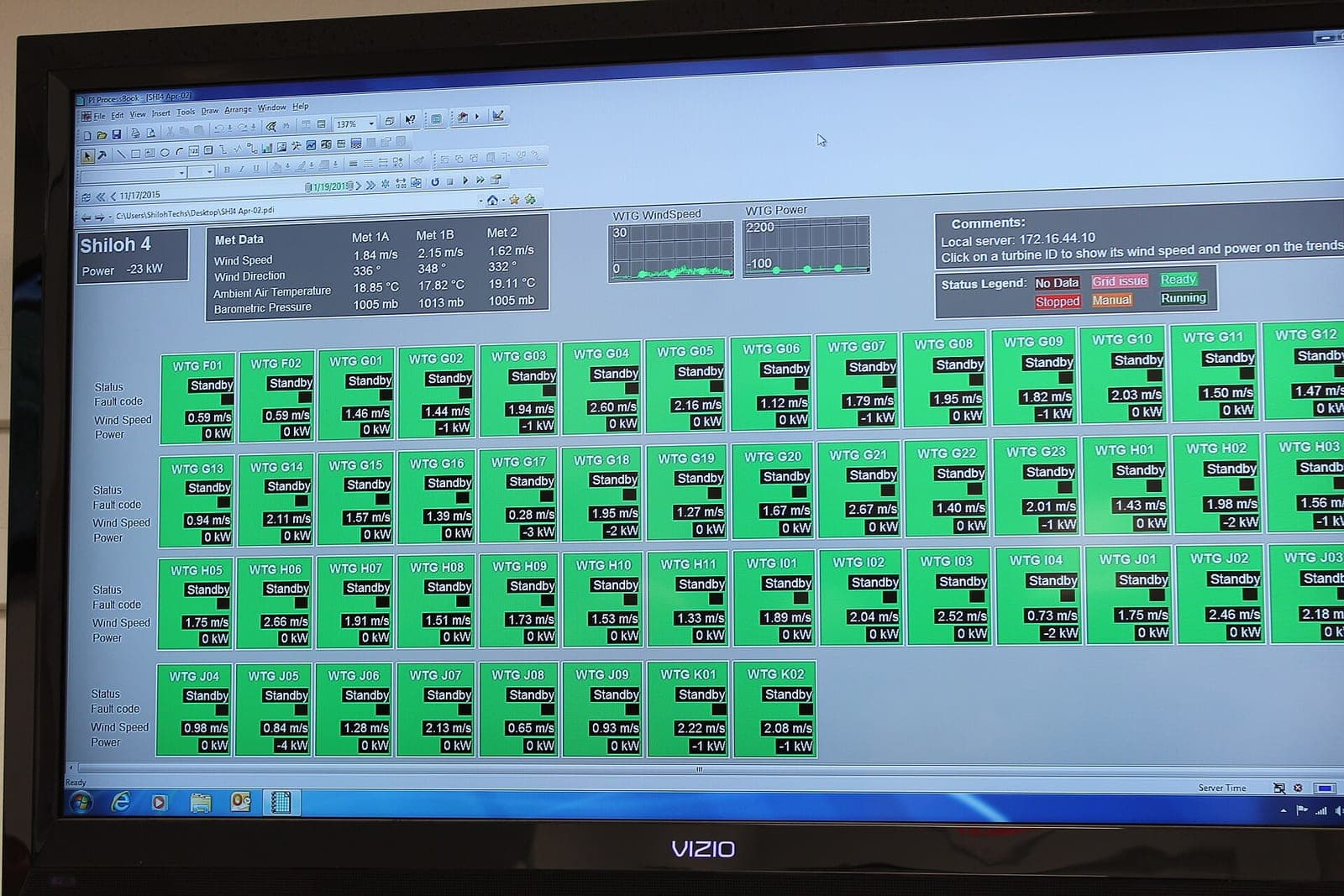
- The platform decodes the packets, estimates position, shows it on a dashboard and runs rules.
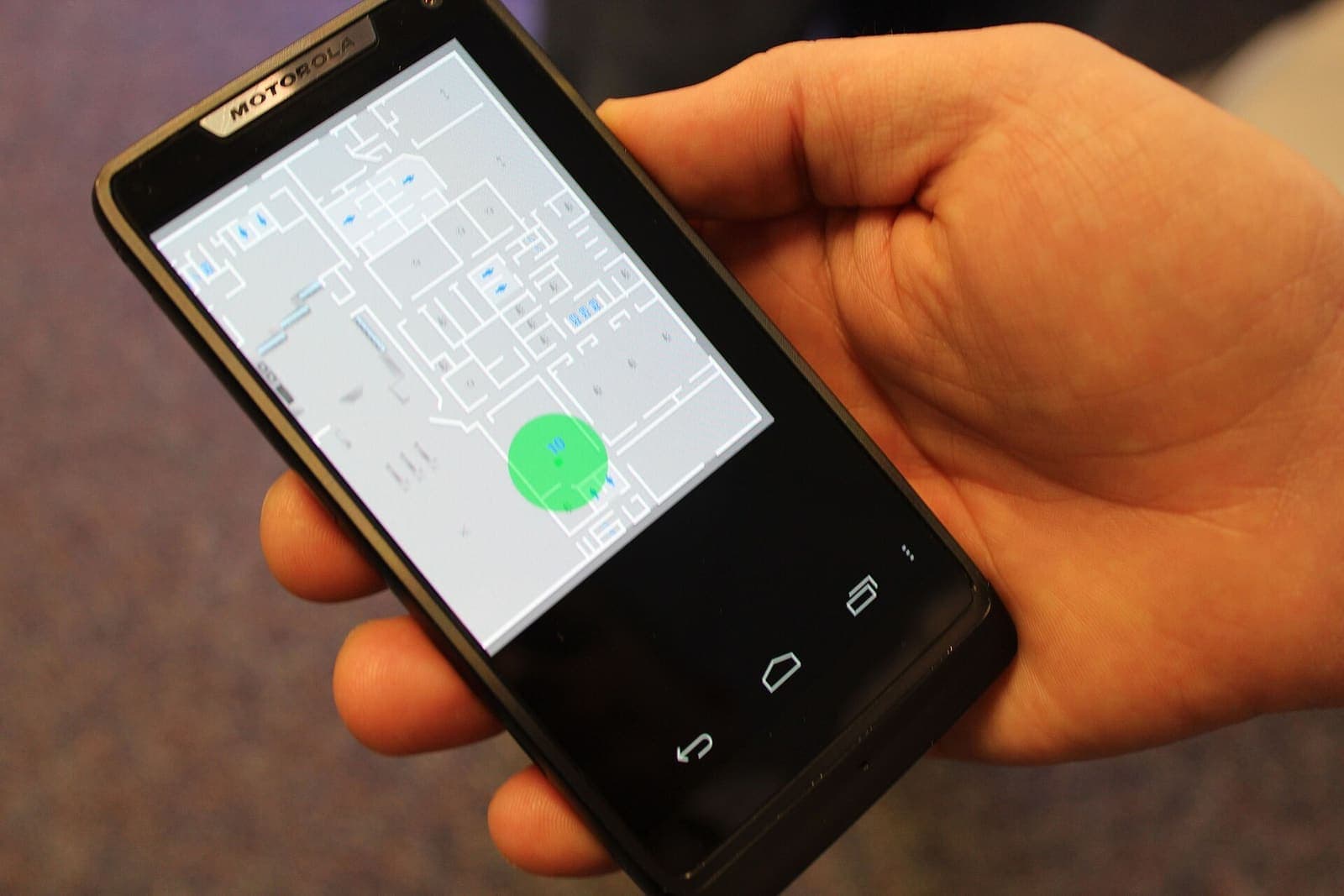
BLE devices can talk directly to smartphones, which is a real advantage. A GATT connection also lets you configure a device or read detailed data.
How is location estimated?
- Proximity (RSSI): received signal strength shows which receiver a tag is closest to. It is easy to deploy, but indoors it fluctuates because of reflections, people and metal, so it gives room or zone level results.
- Estimation from several receivers: several gateways see the same tag and the platform combines them to narrow the position. Gateway density affects the result.
- Beacons: a fixed transmitter (iBeacon, Eddystone) marks an area, so a phone or reader knows which area it is in.
- Direction finding (AoA/AoD): introduced with Bluetooth 5.1, it can give higher location accuracy but needs special antenna-array hardware and raises cost.
The accuracy you need is the most important input to the design. If knowing the room is enough, an RSSI-based solution will do; shelf-level location may call for different hardware.
Which quantities are measured?
- Asset position and movement: shows which zone vehicles, medical devices, tools and equipment are in.
- Occupancy and passage: tracks presence at desks, rooms and zones.
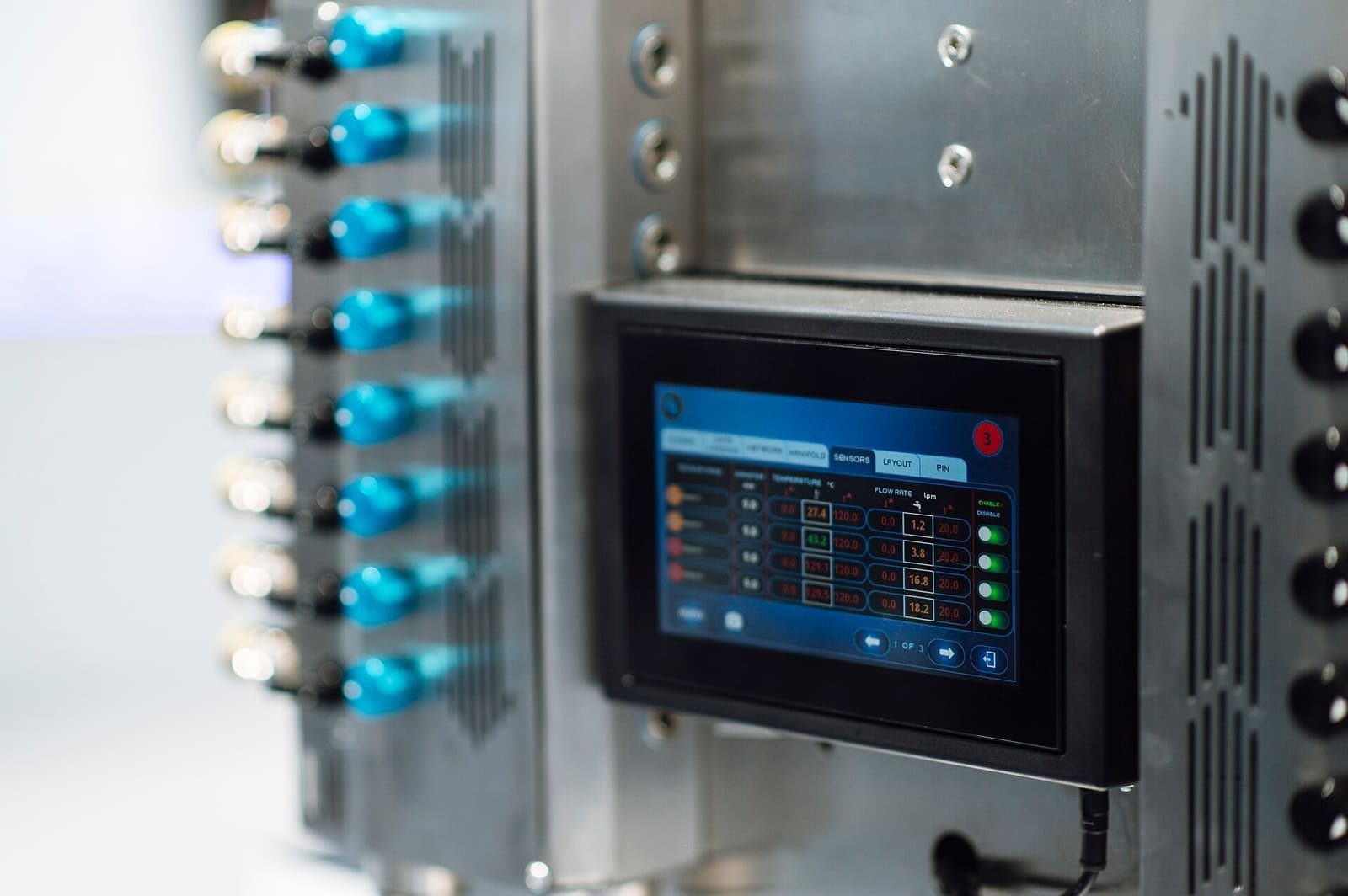
- Temperature and humidity: BLE temperature tags watch warehouse, display and cold room conditions.
- Signal strength and battery status: show how visible a tag is and when to replace it.
- Door and motion: detect open doors and movement.
BLE or LoRaWAN?
- BLE: short range, direct smartphone compatibility, well suited to indoor location and tags; wide areas need many gateways. Its range is much shorter than LoRaWAN.
- LoRaWAN: strong for carrying small, infrequent battery readings across wide areas; its resolution for short-range location is limited.
- Together: BLE gives indoor location, LoRaWAN gives environmental and meter data across a wide area, and both are combined on one platform.
Who is it for?
- Hospitals: tracking medical devices and portable equipment
- Warehouses and plants: pallet, tool and vehicle position
- Offices and coworking spaces: desk and room occupancy
- Retail and stores: shelf, display and product status
- Hotels and event venues: equipment and space use
How do alarms and notifications work?
A rule is defined: for example, an asset leaves its permitted zone, a tag is not seen for a set time, or a temperature threshold is exceeded. The alarm is sent by screen, email or message, the person responsible acknowledges it and the event is logged.
If a gateway loses its connection, tags in that zone may become invisible; the platform reports this separately as a gateway offline alarm. Local buffering depends on the chosen gateway.
Location and status data can flow through interfaces such as MQTT, HTTP or an API to asset management, maintenance management (CMMS), ERP or hospital systems. The link is adapted to your needs and settled in the survey.
Integration, data privacy and personal data
Tracking items and equipment does not create personal data. If an employee or visitor carries a tag, however, the location can be tied to a person and may count as personal data. For such use, the privacy notice, legal basis and retention period should be assessed with your own legal counsel.
On the technical side, access is limited by role, the retention of location history is configurable and, where it is not needed, tags are not linked to individuals.
Installation process and what a quote needs
The survey sets the floor plan, obstacles and the location resolution required. A pilot then runs on one floor or zone, tag visibility and accuracy are tested on site, and the rollout follows. Timing depends on the area and point count and becomes clear in the survey.
For a quote, the number of assets to track, the area and number of floors, the location precision you need and your current network are enough. You can share them through the contact form. For wide-area battery sensor needs, see our LoRaWAN solution as well.
Highlights
Indoor asset tracking
The zone of tagged equipment, vehicles and devices is visible on the dashboard.
Occupancy and ambient data
Room, desk and area occupancy, plus temperature and humidity, are tracked on one platform.
Direct smartphone compatibility
BLE devices talk to smartphones directly, which makes configuration and reading easier.
Location precision to fit the need
A zone, room or direction-finding solution is chosen according to the precision required.
Careful with personal data
For tags carried by people, the privacy notice and legal assessment are planned from the start.