

Blog
Guides, how-to articles and FAQs on IoT, energy monitoring, LoRaWAN, ISO 50001, carbon footprint, cold chain and industrial digital transformation.
Request a demo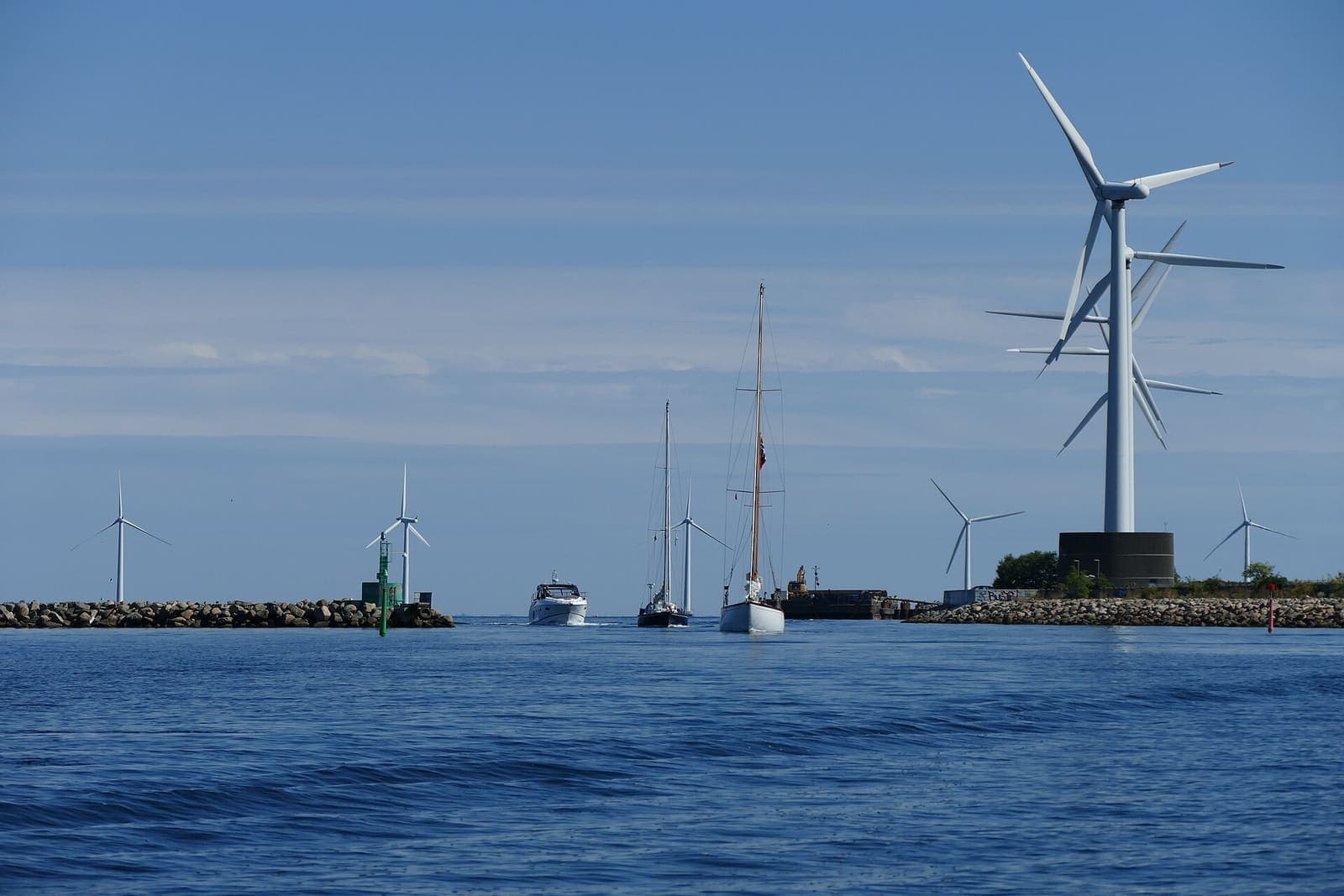 Carbon monitoring with measurement data: meters and sensorsCarbon monitoring means collecting electricity, gas, fuel and vehicle data continuously with meters and sensors and linking it to the emission calculation. Measurement quality sets the inventory's reliability.Read the article
- How is a carbon footprint calculated? Step-by-step methodA carbon footprint is calculated by multiplying activity data by an emission factor and summing the results as CO₂e. A clear boundary, clean data and traceable records make the result reliable.Read the article
- Scope 1, 2 and 3 emissions explained: GHG Protocol guideScope 1 is direct emissions, Scope 2 comes from purchased energy and Scope 3 from the value chain. The GHG Protocol uses these three scopes as the common language of a carbon inventory.Read the article
- What is a carbon footprint? Corporate basicsA corporate carbon footprint is the total greenhouse gas emissions caused by an organization's activities, expressed as CO₂e. Measuring it gives management, reporting and customer requests a common basis.Read the article
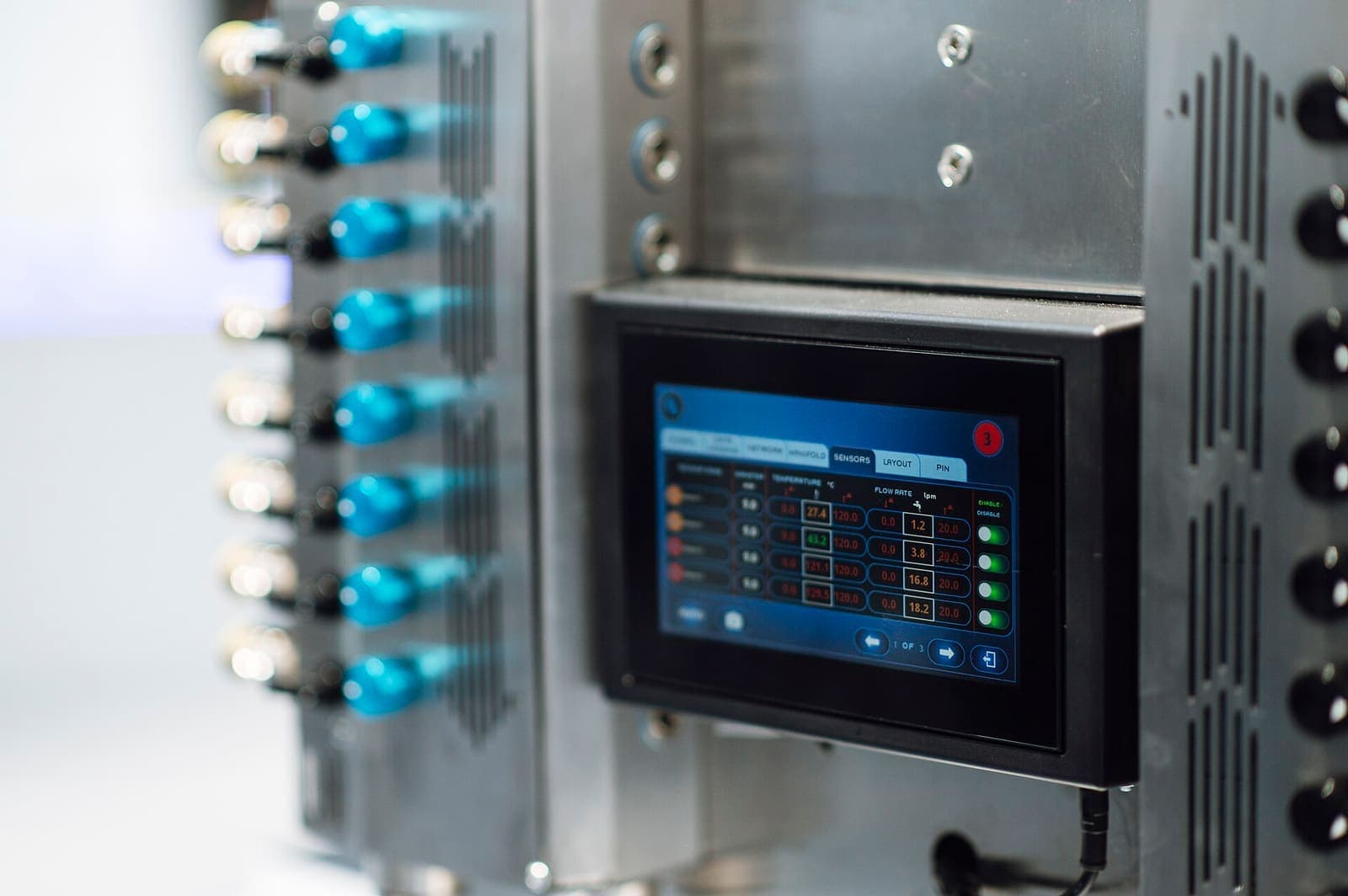 What are an energy review and an energy baseline?An energy review analyzes where and how energy is used and identifies significant energy uses (SEUs). The energy baseline is the reference period against which later improvement is compared.Read the article
- What is an EnPI? How to choose energy performance indicatorsAn EnPI is an indicator that makes energy performance measurable, such as energy per unit produced. To be meaningful it must be normalized for factors like production volume and weather.Read the article
- What is ISO 50001? How an energy management system worksISO 50001 is an energy management system standard that helps organizations manage and continually improve energy performance. It follows the PDCA cycle; certification is carried out by independent bodies.Read the article
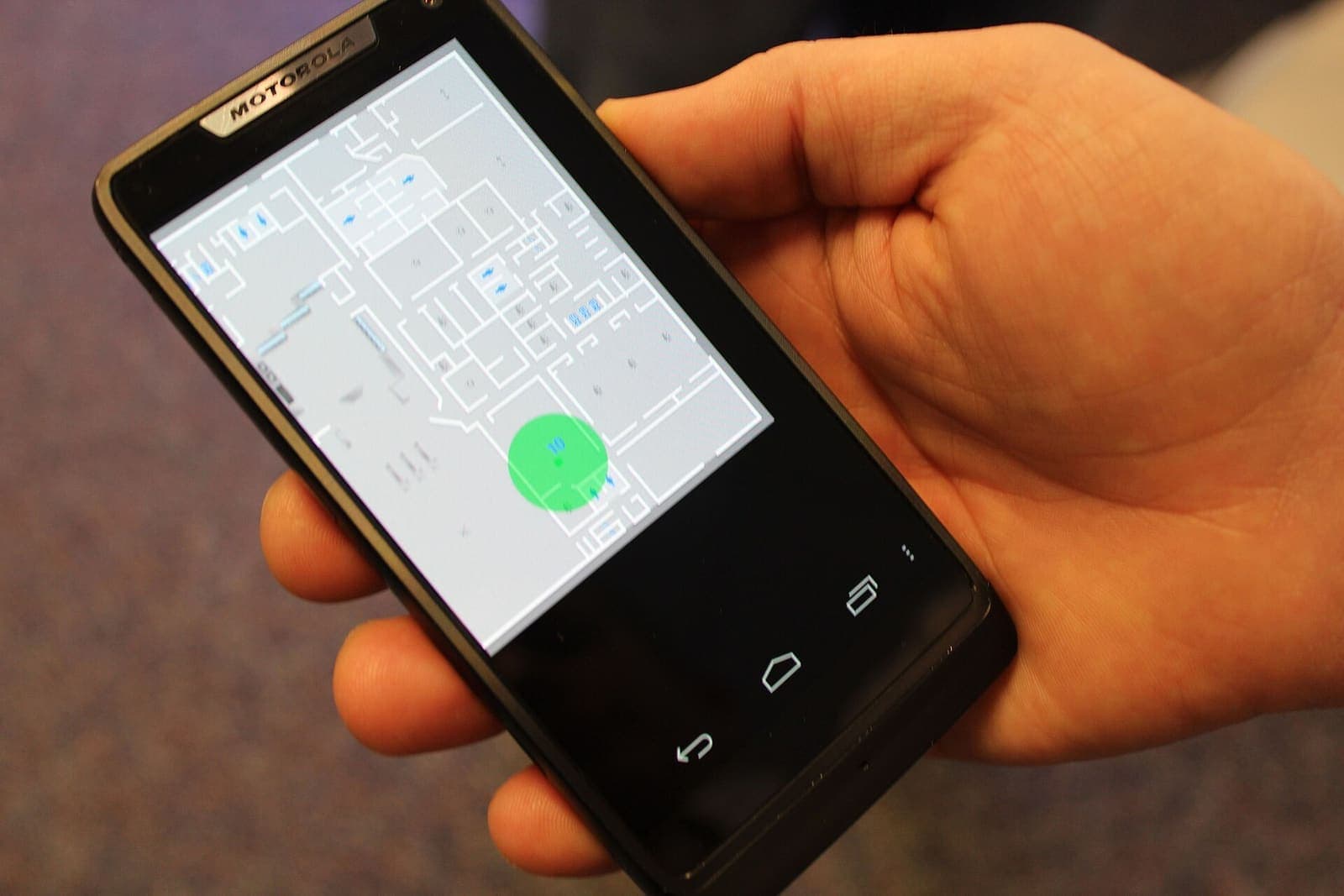 BLE or LoRaWAN? Which one to choose for IoTBLE fits short-range, phone-friendly and location-focused work; LoRaWAN fits wide areas and long-lived battery sensors. The choice depends on range, power, data and infrastructure.Read the article
- How to track location and assets with BLE beaconsA BLE beacon broadcasts its identity at intervals indoors, and receivers estimate proximity from signal strength (RSSI). Accuracy depends on the environment, so aim for room or zone level.Read the article
- What is BLE? Bluetooth Low Energy in IoTBLE is a short-range wireless mode introduced with Bluetooth 4.0 that uses little energy and carries small packets. It is widely used in IoT sensors, tags and devices that talk directly to phones.Read the article
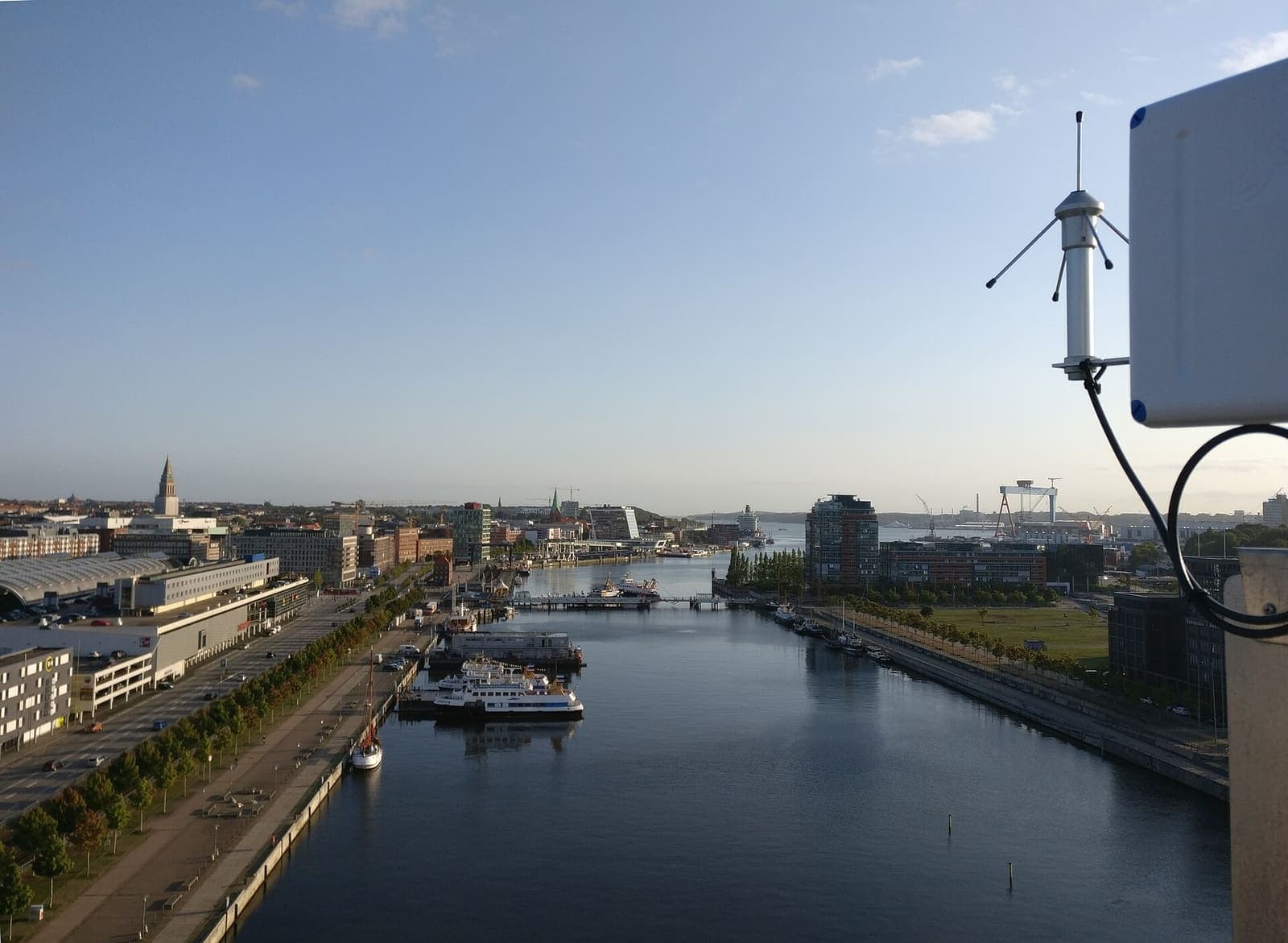 LoRaWAN sensor selection: how to choose by what you measureTo choose a LoRaWAN sensor, start from what you need to measure, then check reporting interval, environment and coverage. A small pilot is the safest way to confirm the choice.Read the article
- LoRaWAN security: how do OTAA, ABP and keys work?LoRaWAN security rests on device authentication and two separate AES-128 key layers. The activation method (OTAA or ABP) and how keys are managed shape the result.Read the article
- LoRaWAN Class A, B and C: which device class to choose?LoRaWAN device classes decide when a device listens. Class A uses the least power, Class B listens on a schedule, and Class C listens almost continuously and needs mains power.Read the article
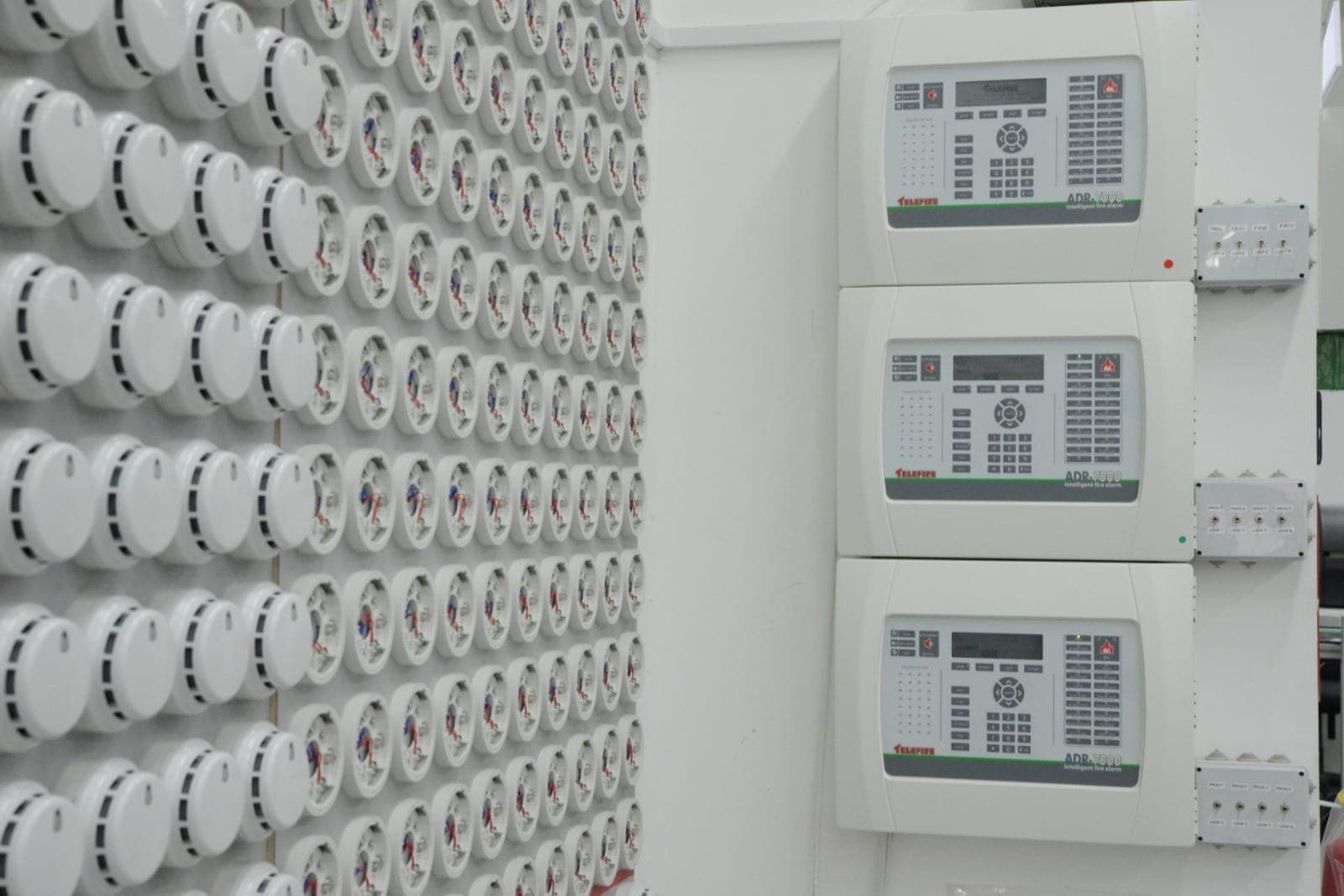 How to choose a wireless panic buttonWhen choosing a wireless panic button, look at communication type, notification channels, event records, testing and maintenance, and false alarm handling; these shape the whole system more than the device itself.Read the article
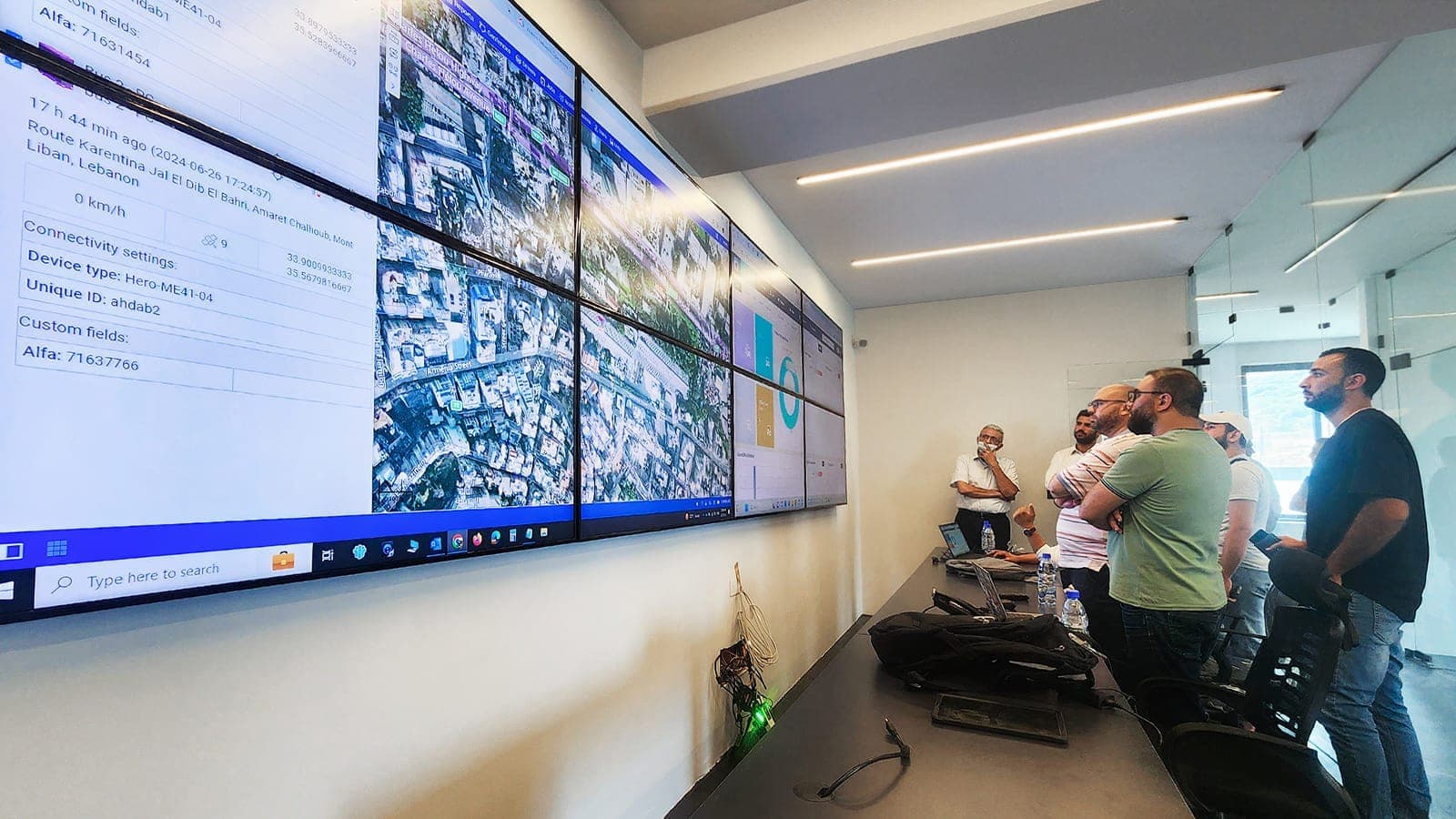 Vehicle tracking vs. fleet management: the differenceVehicle tracking shows where a vehicle is; fleet management combines location, idling, route and maintenance data and turns it into operating decisions.Read the article
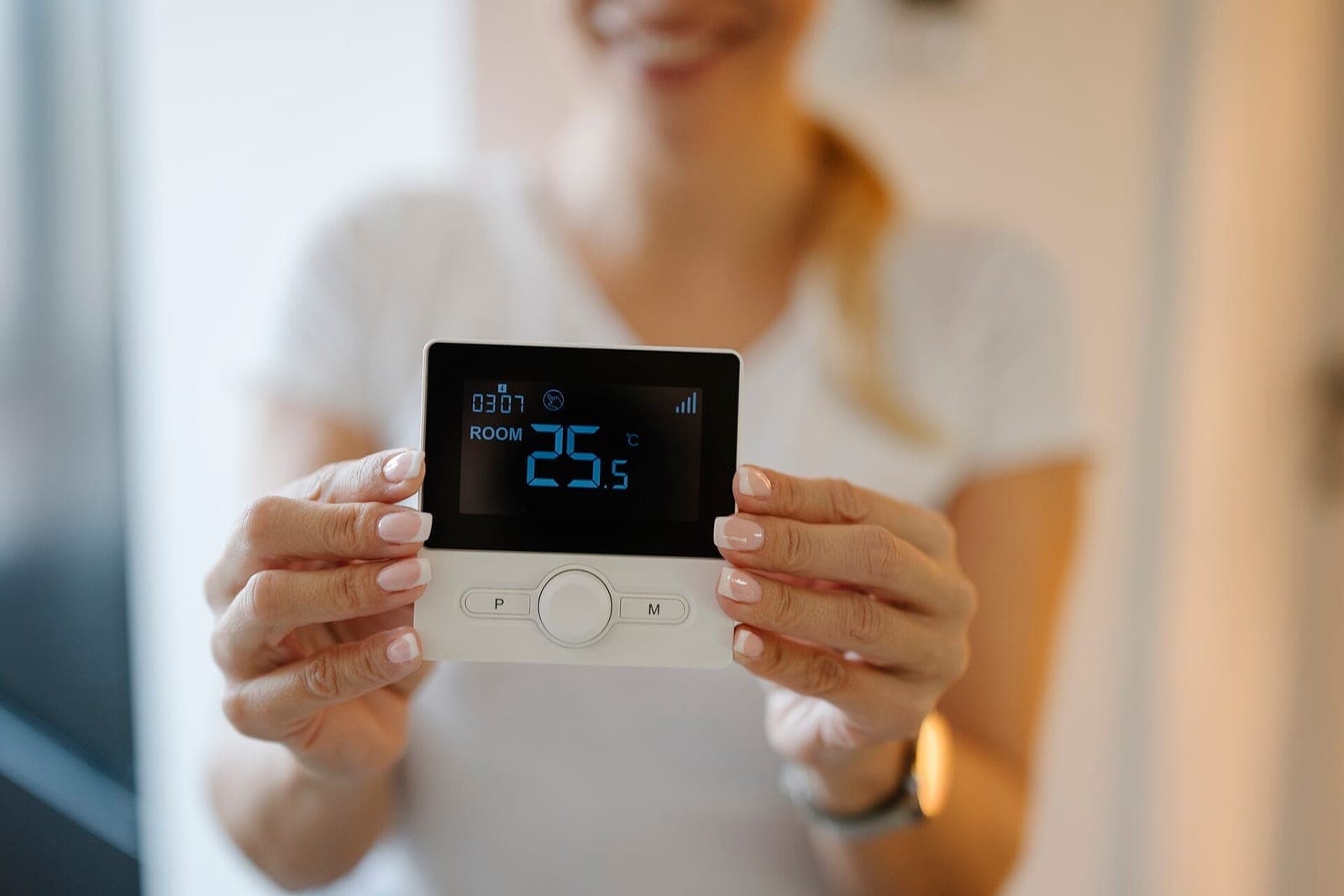 How hotel room occupancy detection worksOccupancy detection works out whether a room is in use and adjusts HVAC and lighting to match; door and window sensors keep room energy use consistent.Read the article
- How to measure CO2 and occupancy in an officePlace the CO2 sensor at breathing height, away from vents, and read it with occupancy data so ventilation follows how each room is actually used.Read the article
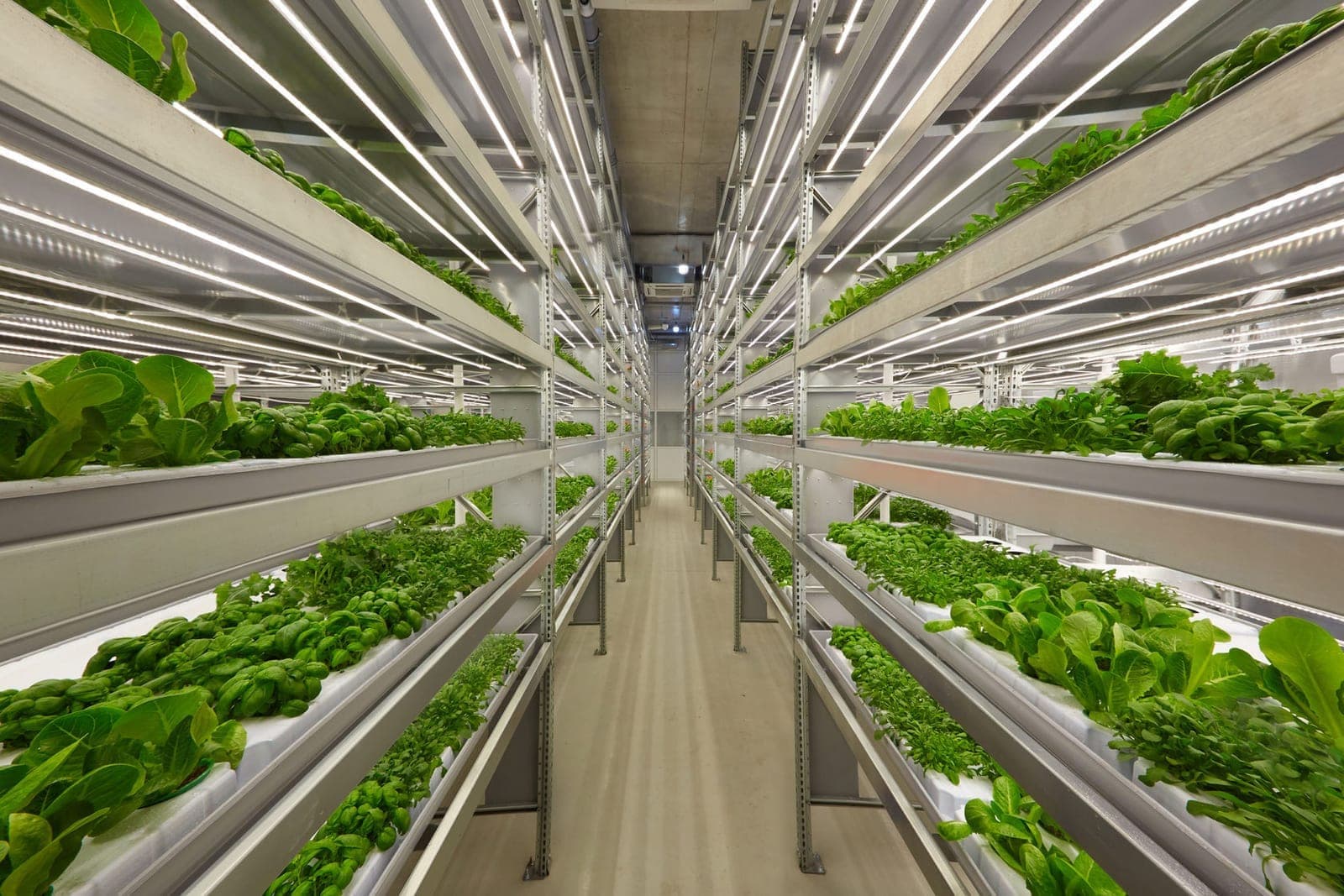 Smart greenhouse sensors: which ones do you need?A smart greenhouse typically measures air temperature and humidity, soil moisture, CO₂, light and irrigation flow. The data reaches a platform, which triggers actions such as ventilation and irrigation.Read the article
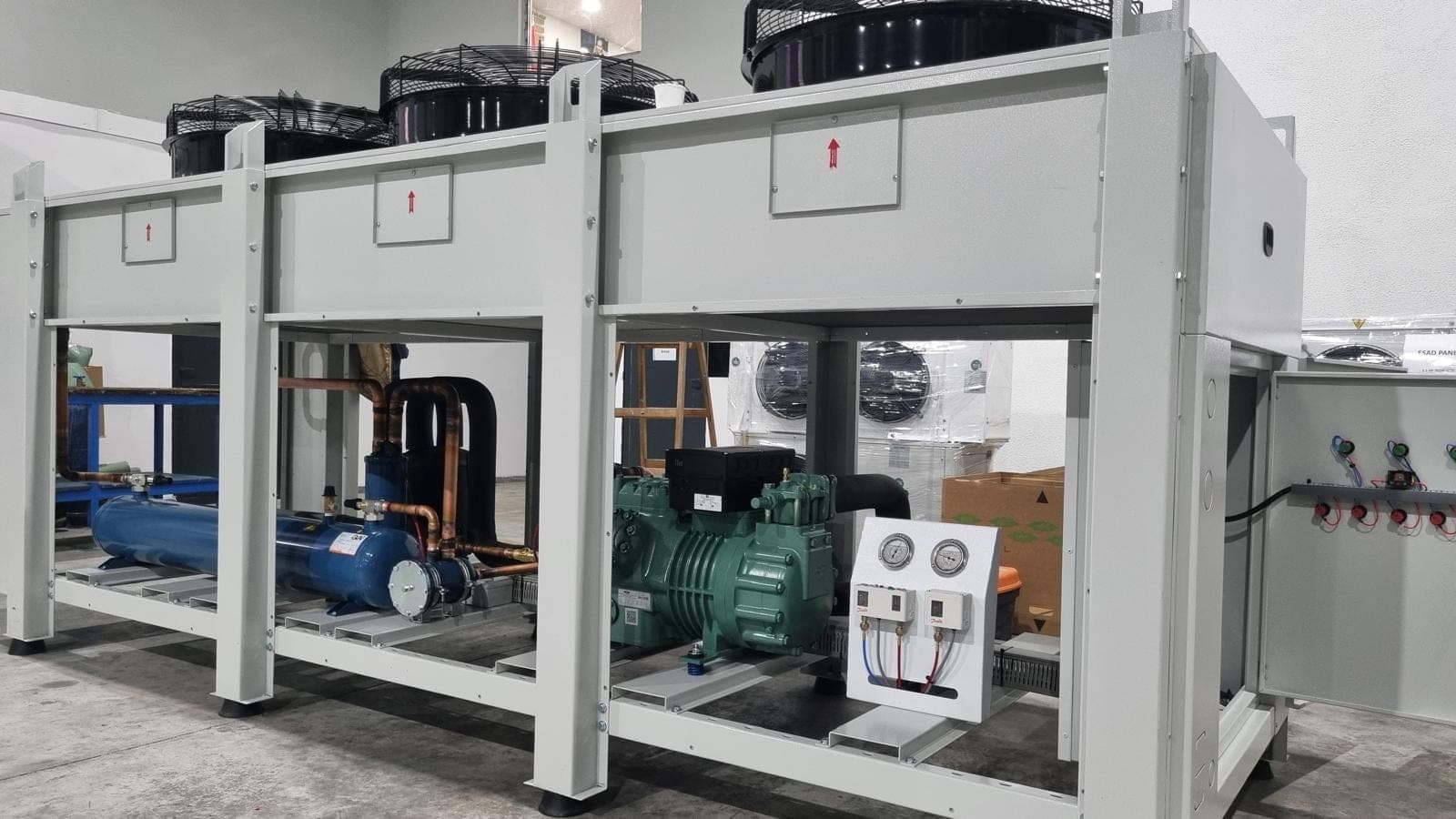 What is warehouse temperature mapping? How is it done?Warehouse temperature mapping measures temperature and humidity over time with sensors placed at different points, to find hot and cold spots. The results guide where permanent monitoring sensors should go.Read the article
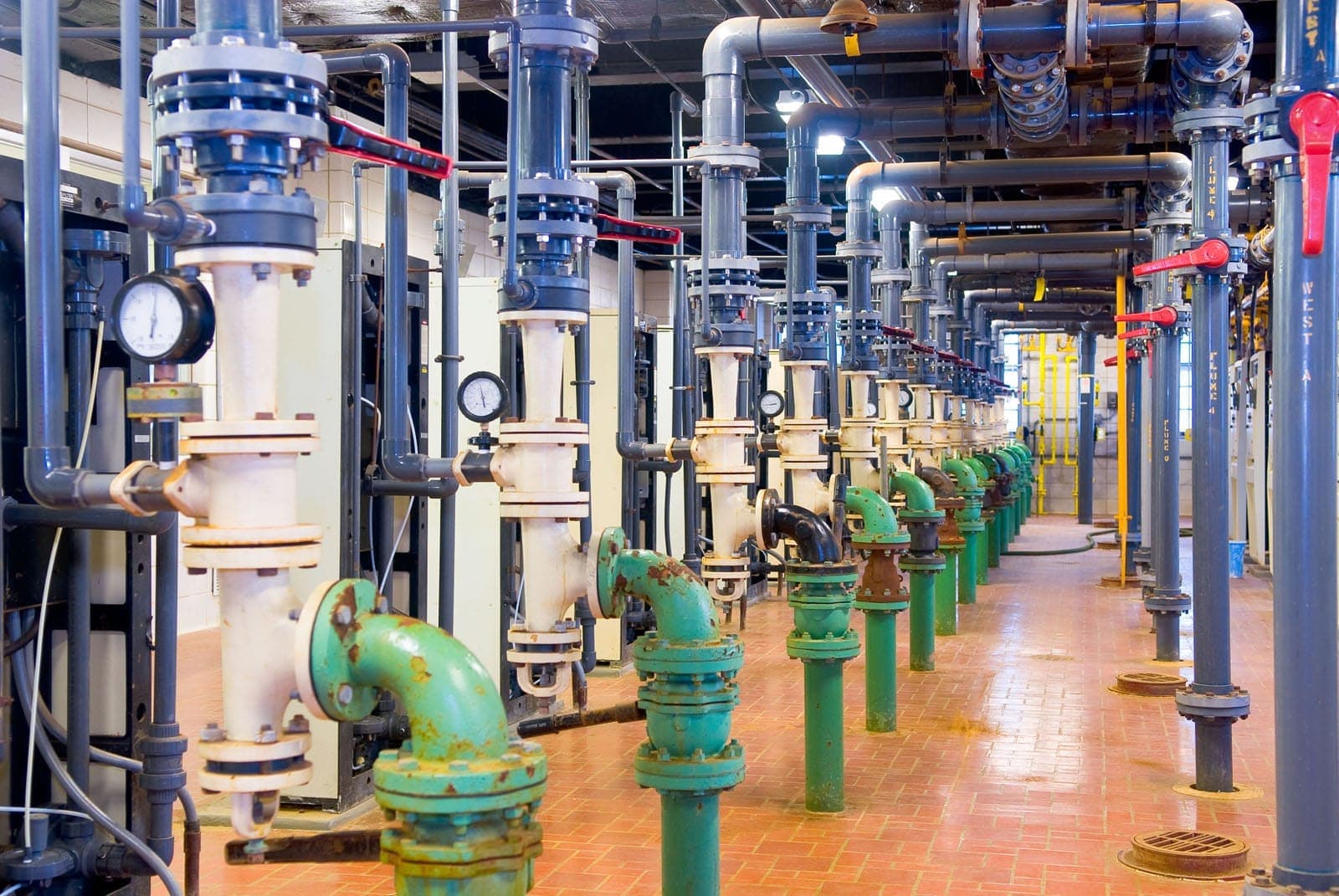 How does a remote-reading water meter work?A remote-reading water meter passes the volume measured by a mechanical meter to a communication module through a pulse output. The module sends it via a gateway to a platform, where consumption is tracked over time.Read the article
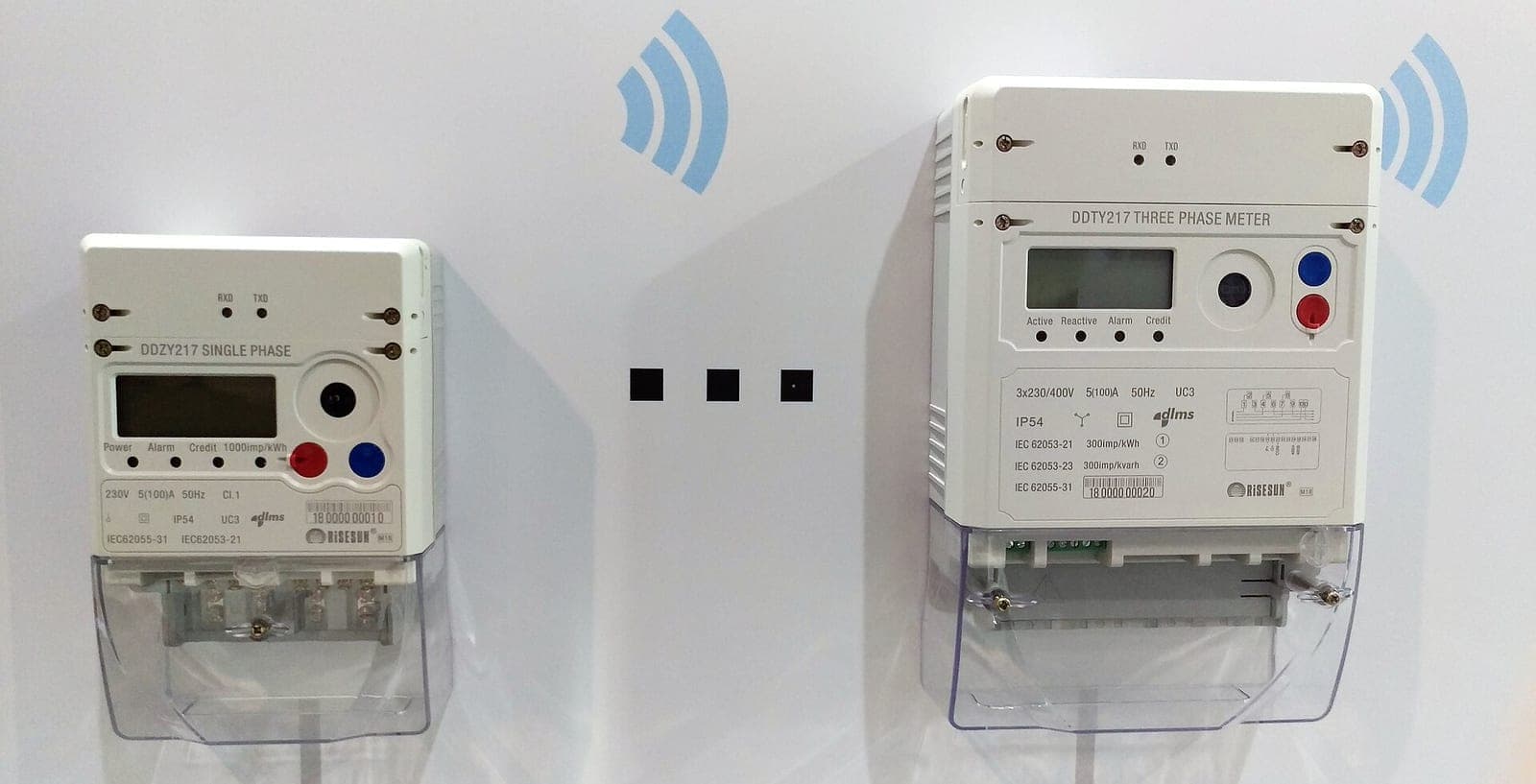 What is a sub-meter? Energy monitoring and anomaly detectionA sub-meter measures the consumption of a specific machine, line or area separately, below the main meter. It gives equipment-level visibility and makes unusual consumption easier to spot early.Read the article
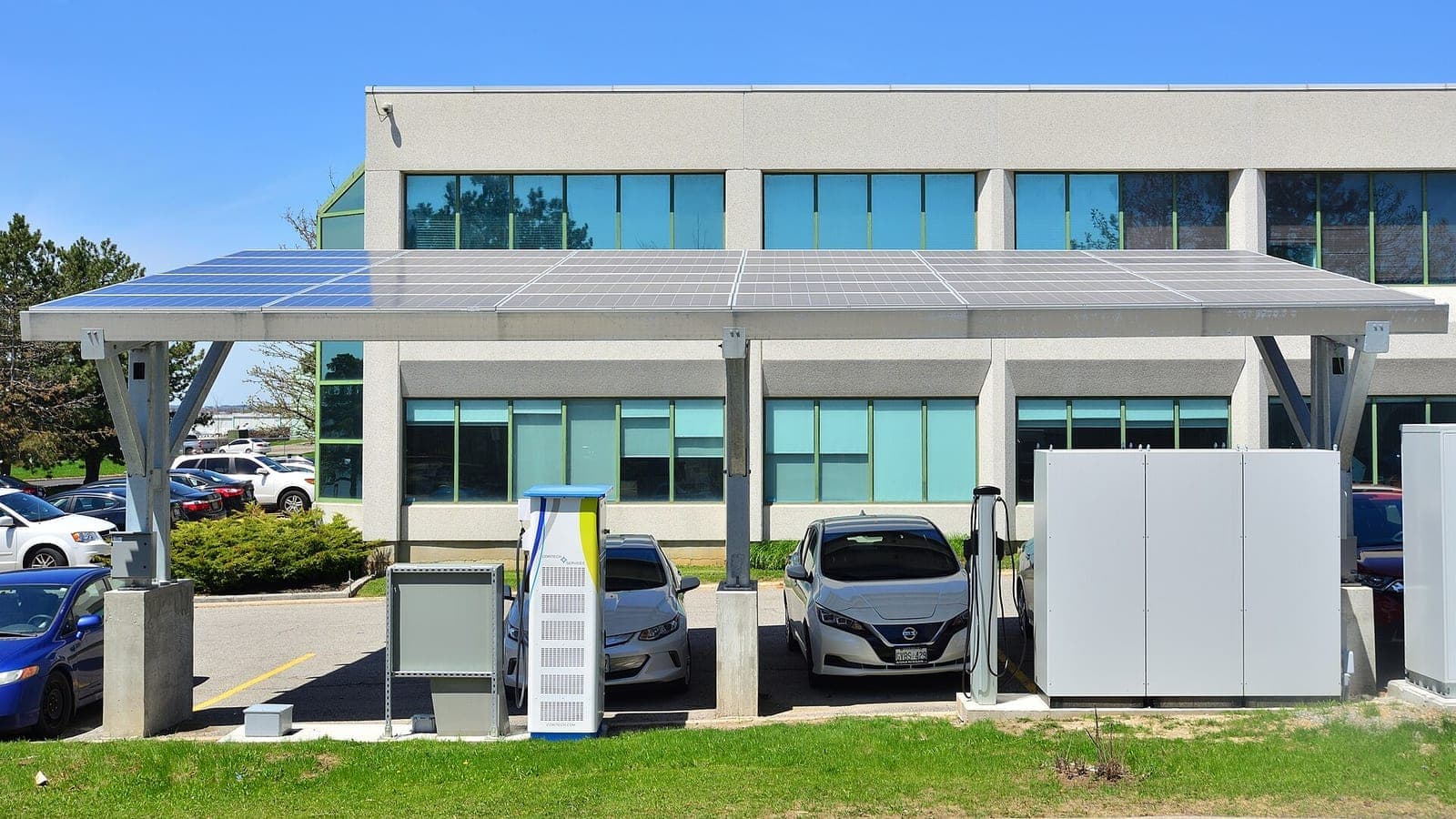 What is ISO 50001? The role of measurement in energy managementISO 50001 is an energy management system standard that helps organizations manage energy performance in a structured way. Measurement and monitoring keep that system grounded in data.Read the article
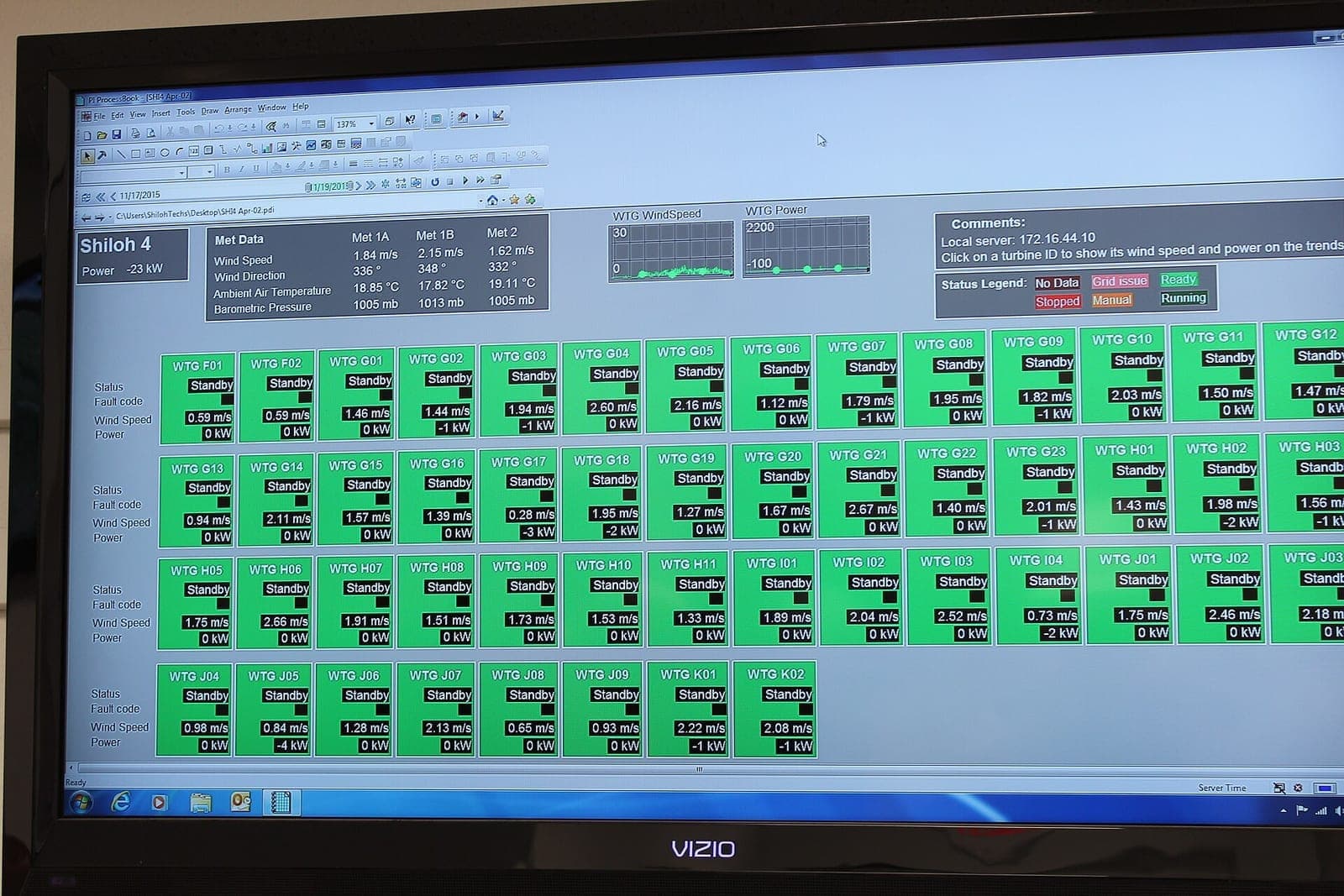 What is SCADA? Components and use in energy facilitiesSCADA collects data from devices spread across a site or region and lets you monitor and control them from one place. It combines field devices, RTU/PLCs, communications, an HMI and a database.Read the article
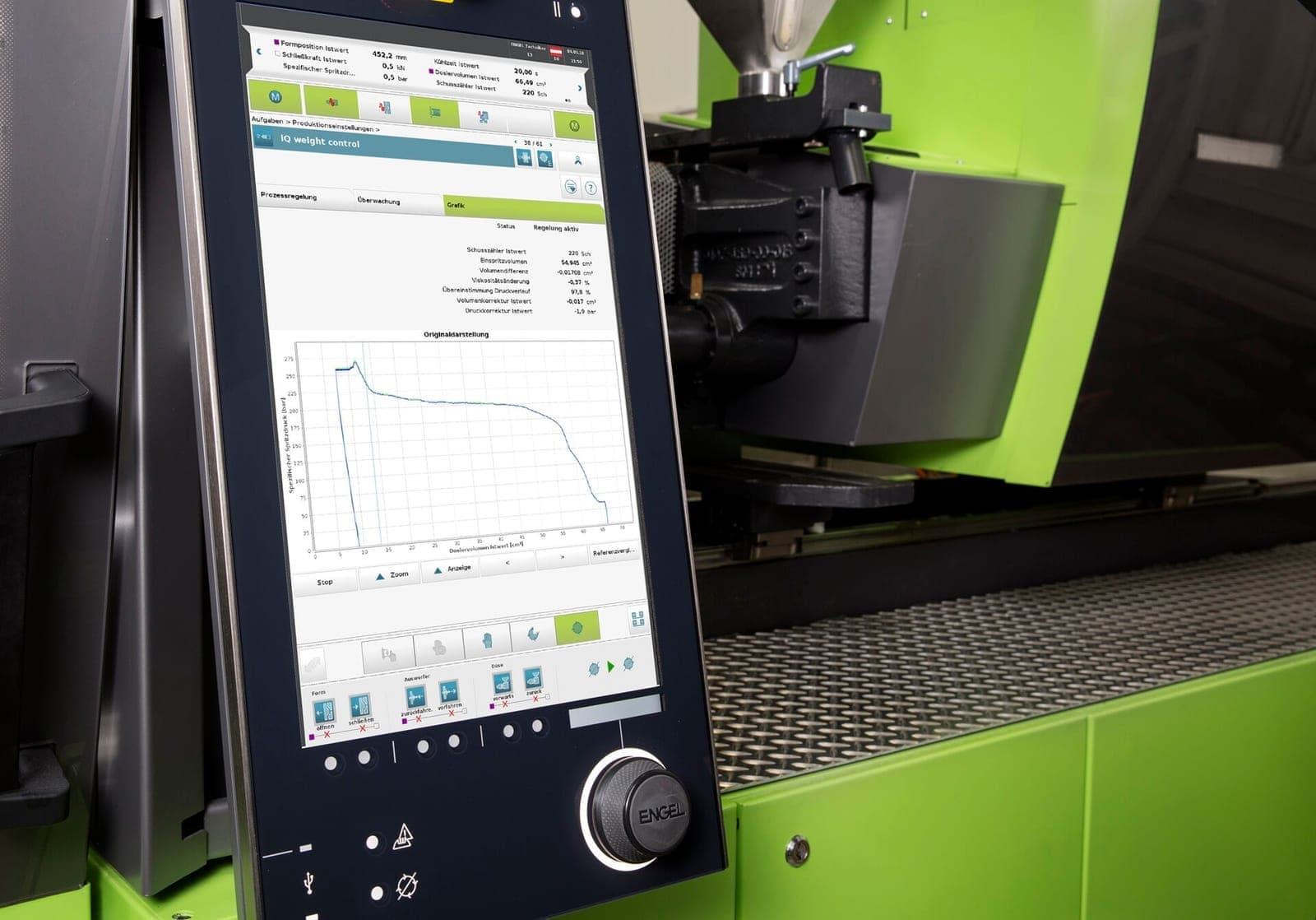 What Is Predictive Maintenance? Starting With SensorsPredictive maintenance watches data such as vibration and temperature to spot a failure before it happens. Preventive maintenance follows the calendar; predictive follows machine condition.Read the article