
How to track location and assets with BLE beacons
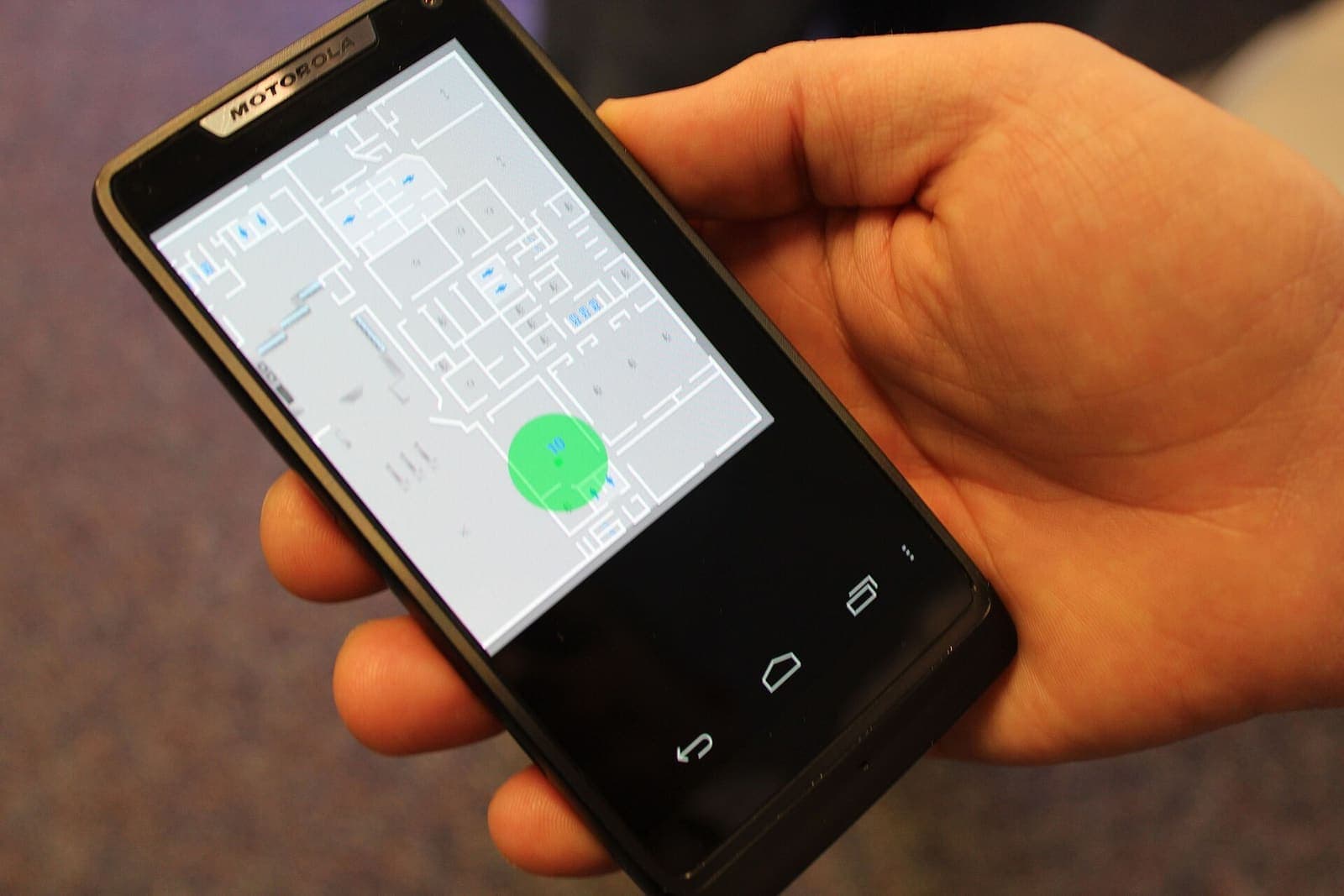
A BLE beacon broadcasts its identity at intervals indoors, and receivers estimate proximity from signal strength (RSSI). Accuracy depends on the environment, so aim for room or zone level.
Request a demoRenokta Ekibi ·
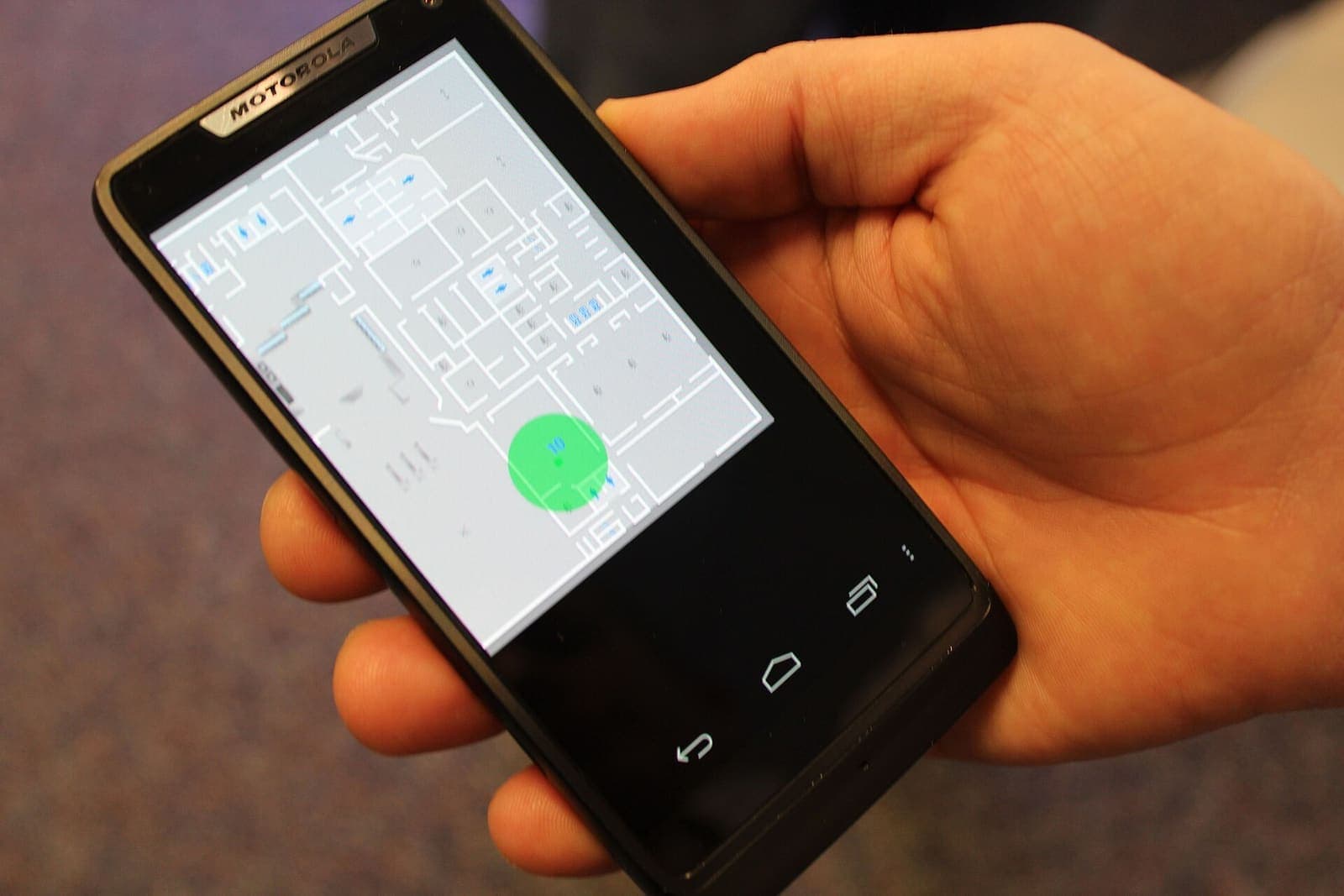
- 1. Beacon broadcastThe tag sends its identity at short intervals.
- 2. ReceiversGateways hear the broadcast and measure RSSI.
- 3. FilteringFluctuating values are smoothed.
- 4. Zone estimateRoom or zone is derived from several receivers.
- 5. Rule and reportEntry-exit alarms and occupancy reports are produced.
A BLE beacon is a small battery-powered transmitter that broadcasts its own identity at intervals. A receiver or gateway hears the broadcast and estimates proximity from the received signal strength (RSSI). Because GPS does not work inside buildings, beacons are a common method for asset and occupancy tracking.
How does a BLE beacon work?
A beacon sends an identifier inside an advertising packet at regular intervals. The data is packaged in common formats such as iBeacon or Eddystone. The beacon does not connect; it just says "I am here" and listening receivers pick up the message.
The shorter the interval, the more often the location is updated, but the faster the battery drains. This balance is chosen at setup according to the goal.
How is proximity estimated with RSSI?
RSSI is the strength of the signal reaching the receiver; in general it rises as you approach the transmitter and falls as you move away. Receivers can use it to say a beacon is near, medium or far. When several receivers hear the same beacon, the differences between their values help determine the room or zone.
RSSI alone does not give an exact distance. The value fluctuates with reflections, obstacles and how the device is held, so results are usually filtered and used as a near-zone reading.
What affects indoor location accuracy?
Indoors, accuracy depends on how the signal travels through the space. The same hardware can give different results in two buildings.
- Walls, metal shelves, elevators and machines weaken or reflect the signal.
- The human body absorbs 2.4 GHz signal, so a tag in a pocket or bag changes the value.
- Number and placement of receivers: denser receivers allow finer zone separation.
- Transmit power and interval: settings affect both accuracy and battery.
- Interference from Wi-Fi and other devices on the same band.
Do AoA and AoD improve accuracy?
They can, but they need special hardware. Direction finding, introduced with Bluetooth 5.1, measures the angle a signal arrives from, which can give a more detailed position than strength alone. AoA (angle of arrival) and AoD (angle of departure) are the two forms.
This approach needs an antenna array on the receiver side, and installation and calibration take more care. If room or zone level is enough, an RSSI-based solution is simpler and cheaper; if the accuracy target is high, direction finding is worth evaluating.
Which applications use it?
BLE beacons work well where knowing which room or zone an asset is in is enough.
- Asset tracking: finding which zone equipment such as wheeled beds, hand tools or portable devices is in.
- Occupancy monitoring: usage of meeting rooms and work areas.
- Proximity triggers: running a rule when equipment enters or leaves a zone.
- Inventory and depots: roughly which area a pallet or container sits in.
What should you watch during installation?
Before installing, the goal is made clear: room level, or a finer zone split? Once it is set, receivers are spread evenly over the area to cover and placed near critical passages such as doors and corridors.
- Run a trial in a small section first and compare measured results with expectations.
- Plan power and network connection for beacons and receivers.
- Record the battery replacement process and the device inventory.
- Revisit placement when things change, for example when shelf layout changes.
Does tracking people raise a personal data question?
Yes. If a beacon is assigned to an employee or visitor and their location is tracked, this may count as personal data processing. Purpose, retention period and the duty to inform should then be assessed legally, based on current legislation and official texts.
Tying tracking to the asset rather than the person, or using aggregated data without linking it to individuals, lowers the risk. If a person-based scenario is considered, decide together with the company legal and data protection owners before installation.
Conclusion
A BLE beacon is a low-cost, battery-friendly method for indoor asset and occupancy tracking, but the result is at room or zone level and depends on the environment. Target accuracy, receiver count, battery life and the personal data side should be discussed before installation. If you want to plan the right layout for your building, you can start a needs discovery from the BLE sensor and location solutions page.
Frequently asked questions
- Does a BLE beacon give an exact location?
- Usually not. The RSSI-based method gives proximity at room or zone level. Finer accuracy may need special hardware such as direction finding (AoA/AoD).
- Why does RSSI fluctuate?
- The signal reflects off or weakens through walls, metal and the human body. The value changes even at the same spot, which is why results are filtered.
- What are AoA and AoD?
- AoA is angle of arrival and AoD is angle of departure. Both are Bluetooth 5.1 direction finding methods that measure the signal angle for a more detailed position, and they need an antenna array.
- How long does a beacon battery last?
- It depends on the interval, transmit power and device. Frequent broadcasts update location more often but drain the battery faster; confirm the duration from the device datasheet.
- Is tracking employee location allowed?
- Tracking a person’s location may count as personal data processing. Purpose, retention and notification should be assessed legally, based on current legislation and official texts.