
BLE or LoRaWAN? Which one to choose for IoT
BLE fits short-range, phone-friendly and location-focused work; LoRaWAN fits wide areas and long-lived battery sensors. The choice depends on range, power, data and infrastructure.
Request a demoRenokta Ekibi ·
- 1. Area sizeAre the points in one building or spread over a wide area?
- 2. Data and frequencyIs data small and rare, or frequent and detailed?
- 3. Power sourceWill the device run on a battery or on mains?
- 4. Phone needIs setup and configuration from a phone wanted on site?
- 5. Choice and trialPick the technology and confirm with a field trial.
Choose BLE for short-range work, for devices that talk to phones, or for indoor location and asset tracking. LoRaWAN fits sensors spread over a wide area that must run on batteries for a long time and send small data rarely. Range, power use, data volume, infrastructure and phone compatibility decide it.
What is the difference in range?
LoRaWAN has a much longer range; BLE is designed for short distances covering a room or a few rooms. A BLE gateway hears nearby devices, so covering a large area may need many gateways. A LoRaWAN gateway can collect sensors across a wide area from one point.
Exact range varies with environment, antenna and obstacles, so a field trial is needed with either technology.
How are power use and battery life affected?
Both are designed for low power, but they are used differently. BLE is efficient for short and frequent broadcasts; LoRaWAN suits running on a battery for a very long time with rare, small messages. Real battery life depends on transmit interval, settings and environment, and should be confirmed from the device datasheet.
Which stands out for data volume and speed?
BLE offers a higher data rate than LoRaWAN, while LoRaWAN works with very small packets. Small values such as temperature, humidity or door state can be carried by either. If you need larger data, configuration files or frequent updates, BLE copes more easily, but it requires being close by.
What is the infrastructure and operations difference?
With BLE, gateways are placed densely and each needs power and an IP connection. With LoRaWAN, fewer gateways may be enough, but coverage planning and managing components such as the network server are needed.
- BLE: many nearby gateways, direct setup from a phone, suited to indoor location.
- LoRaWAN: few gateways, wide-area coverage, suited to battery-powered field sensors.
- Both together: BLE for local setup and location, LoRaWAN for remote data collection.
Which one works with phones?
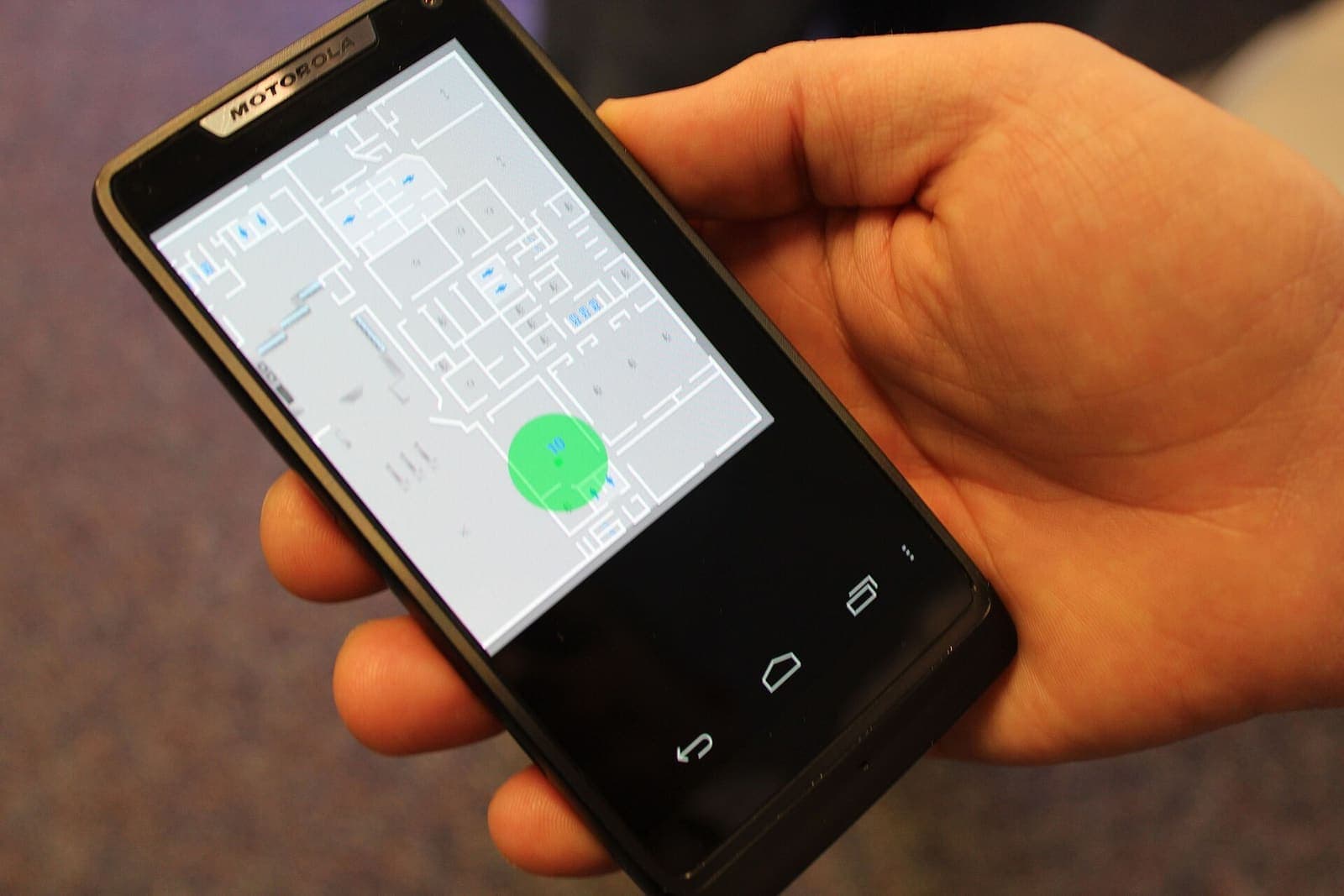
BLE works directly with phones, so a sensor can be configured on site through an app. LoRaWAN devices do not talk to a phone directly; data always flows through a gateway and a network server. So if fast on-site setup and configuration matter, BLE has the advantage.
How do cost and operating effort compare?
Cost is not only the device price; gateway count, cabling, power, installation labour and battery replacement all count. With BLE, covering an indoor area may need more gateways. With LoRaWAN, few gateways may do, but coverage surveys and network management take operating effort.
So the comparison should be made on the total cost of ownership of the installation, not a single device price. Price and duration estimates need a site-specific quote and a field trial.
Which one should you choose in which case?
The decision follows the nature of the job. The summary below is a starting point; the final choice may change with site conditions.
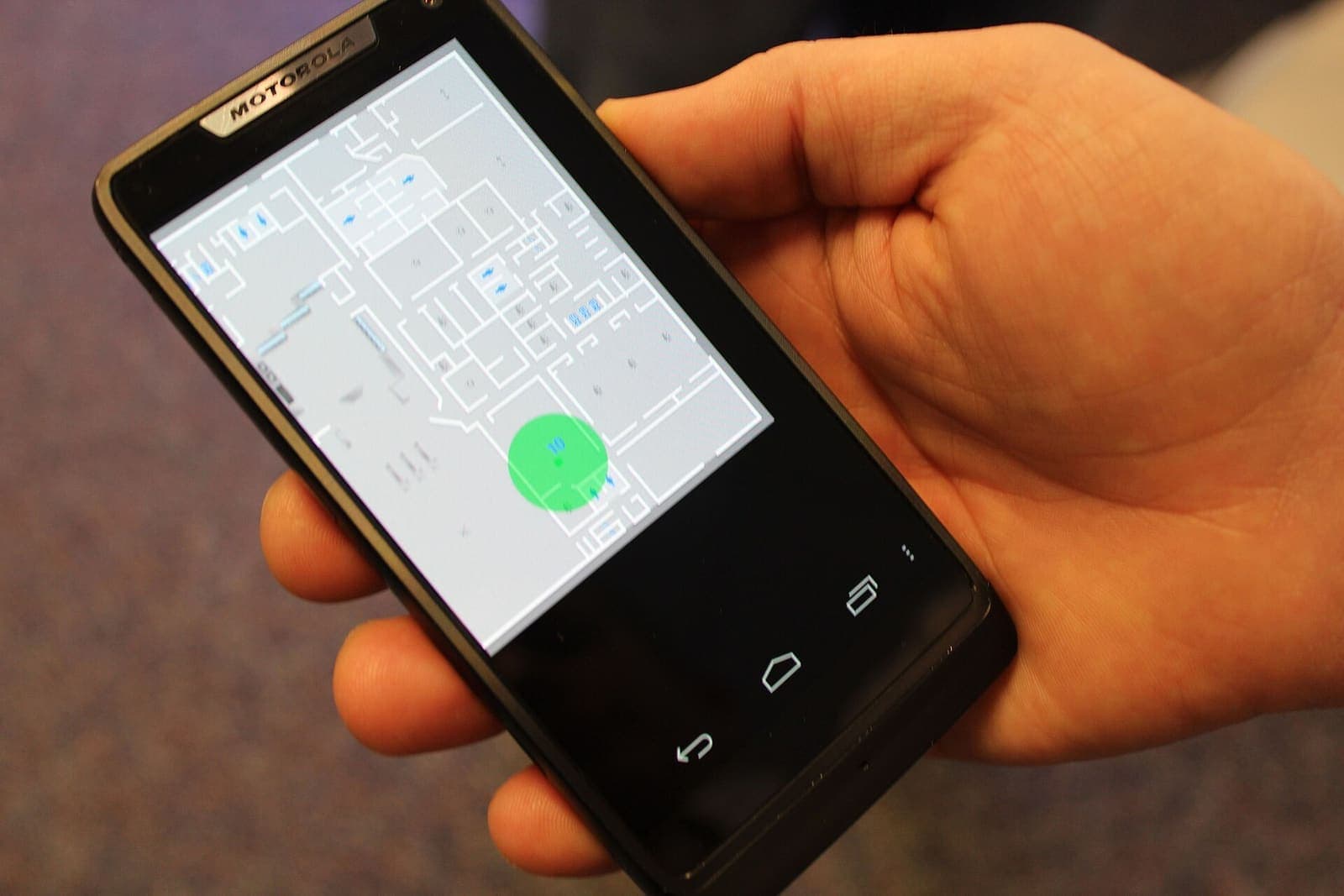
- Tracking assets, room and desk occupancy indoors: BLE.
- Setup and configuration from a phone come first: BLE.
- Monitoring scattered points such as fields, depot sites or large facilities: LoRaWAN.
- Sensors that must run on batteries for long without maintenance: LoRaWAN.
- Both local location and remote measurement needed: consider using both.
For the basic differences between networks, the articles on LoRa versus NB-IoT and on what LoRaWAN is can also serve as references.
Conclusion
BLE suits short-range, phone-friendly and location-focused work; LoRaWAN suits wide-area battery sensors that send data rarely. In most projects the right answer is not one technology but using both according to need. If you want to assess which connection fits your project, you can start a needs discovery from the BLE sensor and location solutions page.
Frequently asked questions
- Which has a longer range, BLE or LoRaWAN?
- LoRaWAN has a much longer range. BLE is for short distances, and covering a wide area may need many gateways. Exact range varies with the environment.
- Which lasts longer on a battery?
- Both are designed for low power. Battery life depends on transmit interval, settings and device, so rely on the device datasheet and a field trial rather than claims.
- Which one talks directly to a phone?
- BLE. Phones communicate with BLE devices directly. LoRaWAN devices send data through a gateway and a network server and do not talk to a phone directly.
- Which fits indoor location?
- BLE. Beacon and RSSI-based methods can track location and occupancy at room or zone level. LoRaWAN is mainly used to carry occasional measurement data.
- Can the two be used together?
- Yes. In many projects BLE handles local setup and location while LoRaWAN collects data from remote points, and the data is combined on one platform.