
What is BLE? Bluetooth Low Energy in IoT
BLE is a short-range wireless mode introduced with Bluetooth 4.0 that uses little energy and carries small packets. It is widely used in IoT sensors, tags and devices that talk directly to phones.
Request a demoRenokta Ekibi ·
- 1. BLE sensor or tagThe device broadcasts a reading as an advertising packet or via GATT.
- 2. GatewayIt listens to nearby BLE broadcasts and collects them.
- 3. IP linkData goes out over Wi-Fi, Ethernet or cellular.
- 4. PlatformData is combined and alarm rules are applied.
- 5. Dashboard and reportUsers follow results, alarms and reports.
BLE (Bluetooth Low Energy) is a short-range wireless technique in the 2.4 GHz ISM band, designed to use very little energy. It is built for sending small amounts of data now and then, not for continuous high-speed streaming. That is why it is one of the main connection options for coin-cell sensors, tags and wearables.
How does BLE differ from classic Bluetooth?
BLE shares the brand and the band with classic Bluetooth, but it is a separate protocol and the two modes do not understand each other directly. Classic Bluetooth suits continuous audio such as headphones. BLE is designed to sleep for long periods and wake briefly to send data.
- Classic Bluetooth: continuous connection, higher data rate, suited to audio and file transfer.
- BLE: short and infrequent data, very low standby consumption, fast connect and disconnect.
- Most modern phones support both modes, but a BLE-only device does not pair with classic Bluetooth devices.
What are advertising packets and GATT?
BLE devices share data in two main ways: advertising packets and a GATT connection. An advertising packet is a small message a device broadcasts at short intervals without connecting. Any receiver nearby can listen to it, which is how beacons and simple sensor readings are shared.
GATT works after two devices connect. It presents data in a structure of services and characteristics, so each measurement is defined as a readable or writable item. The receiver reads it, asks to be notified of changes, or writes a setting to the device.
Where is BLE used in IoT?
BLE is used in short-range IoT applications where battery life matters. If a device only needs to talk to a phone or a nearby gateway, it offers a quick solution without extra infrastructure.
- Battery-powered measurement devices such as temperature, humidity and door sensors.
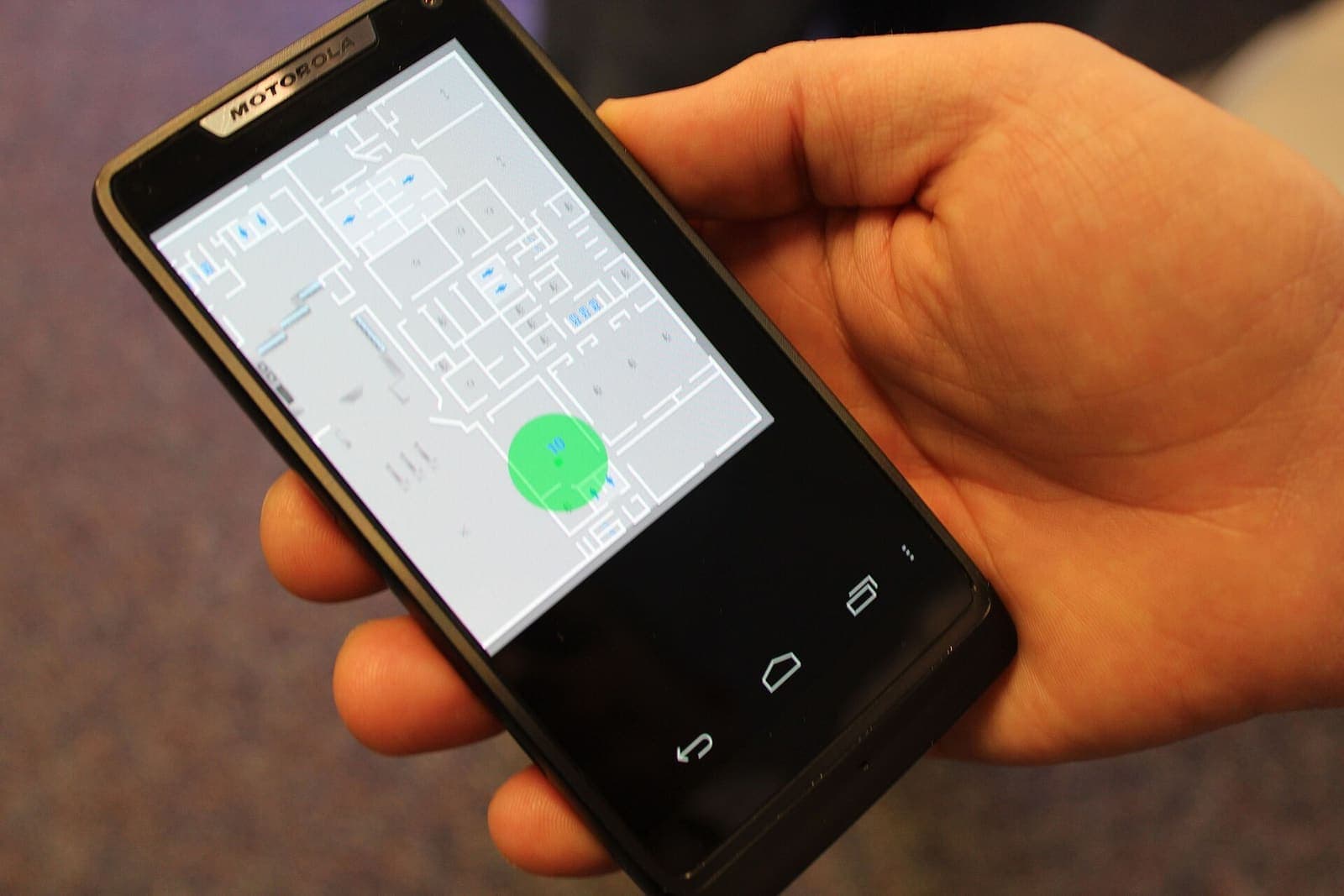
- Asset and equipment tags for indoor location and proximity tracking.
- Indoor occupancy applications such as rooms and desks.
- Initial setup from a phone: configuring sensor parameters on site.
- Wearables and personal products such as health bands.
How does BLE data reach the cloud?
BLE does not connect to the internet directly, so a gateway or a phone is needed to pass data to an IP network. The gateway listens to nearby BLE broadcasts and sends what it collects to the platform over Wi-Fi, Ethernet or cellular. The platform combines the data, applies alarm rules and builds reports.
For this reason, when using BLE in a building, gateway placement, coverage and power supply should be planned from the start. The number of gateways depends on the size of the area and on walls and metal structures.
How are security and pairing handled in BLE?
In a BLE connection, devices can generate an encryption key while pairing and carry later traffic encrypted. Advertising packets are connectionless broadcasts, so they should be treated as audible to anyone nearby. Secrets are therefore never placed in an advertising packet; sensitive settings are made only over an encrypted GATT connection.
In a corporate installation, each device identity is recorded, configuration rights are limited and the device firmware should be updatable. Security features vary by vendor and model, so the exact capability must be confirmed from the device datasheet.
What is Bluetooth Mesh for?
Bluetooth Mesh lets BLE devices relay each other’s messages, building a network that goes beyond the hearing range of a single gateway. It is used where many devices work together, such as lighting control. Simple sensor and tag projects mostly do not need it; a gateway-based design is leaner and easier to manage.
When is BLE not suitable?
Because BLE is short-range, it is not an efficient stand-alone choice for wide areas such as fields, depots or large sites. Long-range, low-power networks such as LoRaWAN fit those cases better. The BLE versus LoRaWAN comparison is covered in a separate article.
In environments with heavy 2.4 GHz use, such as offices with many Wi-Fi networks, interference becomes more likely. A field trial and sound placement reduce this risk.
Conclusion
BLE is a connection type for battery-powered devices that carries data over short range with low energy and works directly with phones. For correct use, choose advertising or GATT according to the goal and plan the gateway that carries data to the cloud. If you want to assess which infrastructure fits your building for sensors, tags or location, you can start a needs discovery from the BLE sensor and location solutions page.
Frequently asked questions
- Is BLE the same as Bluetooth?
- No. BLE is the low-energy mode of Bluetooth technology and uses a protocol separate from classic Bluetooth. They share the same band, but a BLE device does not pair directly with a classic Bluetooth device.
- Can a BLE device connect to the internet directly?
- No, BLE does not reach an IP network by itself. You need a gateway or a phone that carries the data to the cloud over Wi-Fi, Ethernet or cellular.
- What is the difference between an advertising packet and GATT?
- An advertising packet is a small message broadcast without connecting, and anyone nearby can listen. GATT lets two connected devices read and write measurements and settings as characteristics.
- Which frequency band does BLE use?
- BLE works in the licence-free 2.4 GHz ISM band. Because Wi-Fi and other technologies share this band, a field trial is wise in dense environments.
- Is BLE suitable for wide areas?
- Usually not. BLE is short-range, so long-range networks such as LoRaWAN are a better fit for fields or large depot sites.