
What is IoT? A plain introduction for businesses
IoT (the Internet of Things) means physical devices measure something with sensors and send that data over a network to a platform. Businesses use it for monitoring, alerts and reporting.
Request a demoRenokta Ekibi ·
- 1. SensorMeasures a physical quantity (temperature, energy, flow) and turns it into digital data.
- 2. Gateway / networkCarries the reading to the platform over a wireless or wired link.
- 3. PlatformCollects and stores the data and processes it with threshold rules.
- 4. ApplicationPresents it to the user as dashboards, reports and alerts.
- 5. DecisionThe team acts on the data or improves the process.
IoT, or the Internet of Things, is the practice of fitting machines, buildings, warehouses or vehicles with sensors and sending their readings over a network to software. The software stores the data, interprets it and shows it to the right person or raises an alert. What happens on site can then be followed without being there.
What is IoT used for in a business?
IoT turns values that used to be read by hand, or never measured at all, into continuous, recorded data. A meter reading, a storage room temperature or a machine status ends up on one screen.
Teams can then decide from data rather than guesses. A deviation triggers an alarm, and historical reports are already there. Before investing, it helps to be clear about which value is measured and why.
What layers does an IoT system have?
An IoT system usually has four layers: sensor, network, platform and application. Each has a different job, and if one is weak the whole system loses its reliability.
- Sensor and device layer: measures a quantity such as temperature, humidity, energy, flow, occupancy or position.
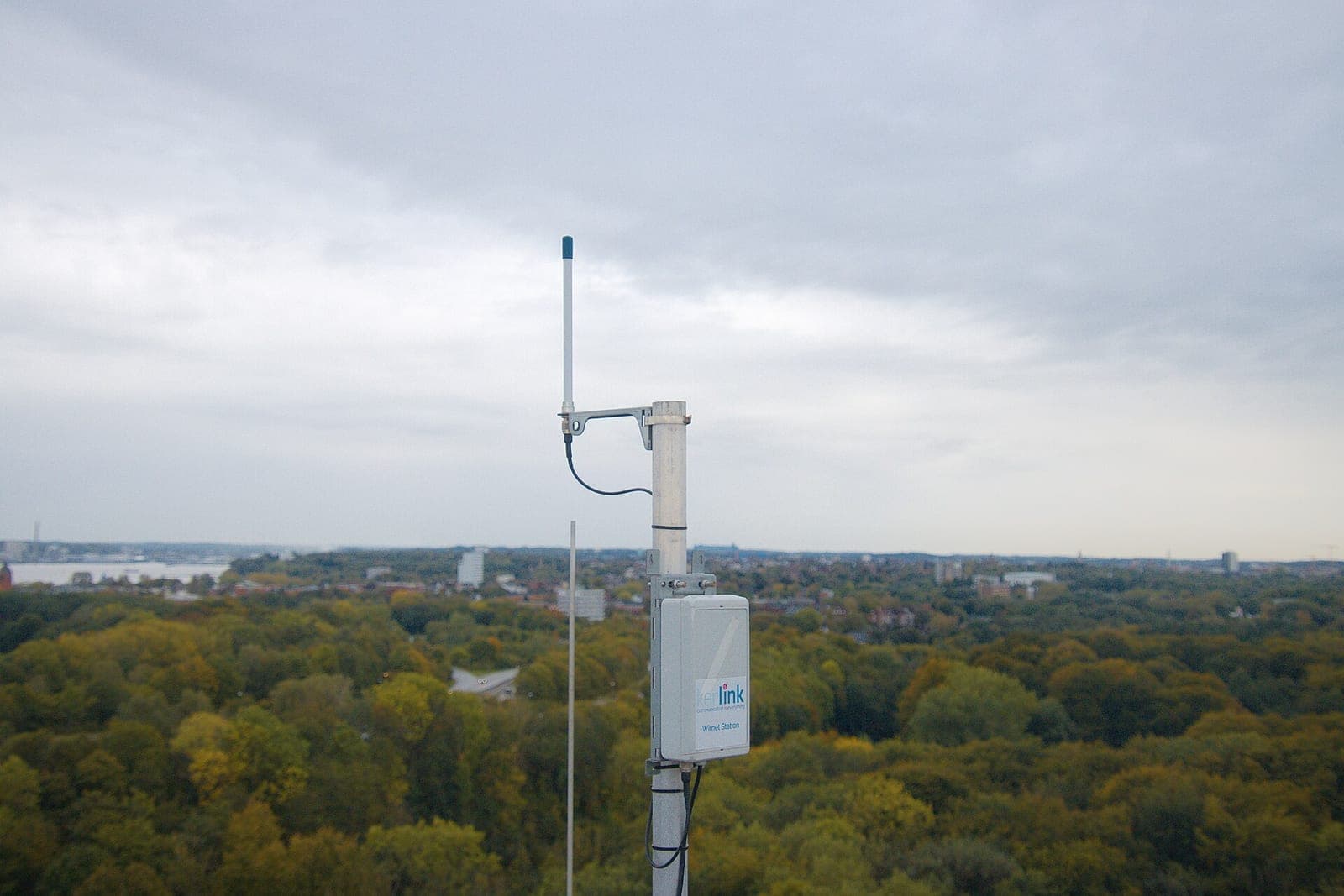
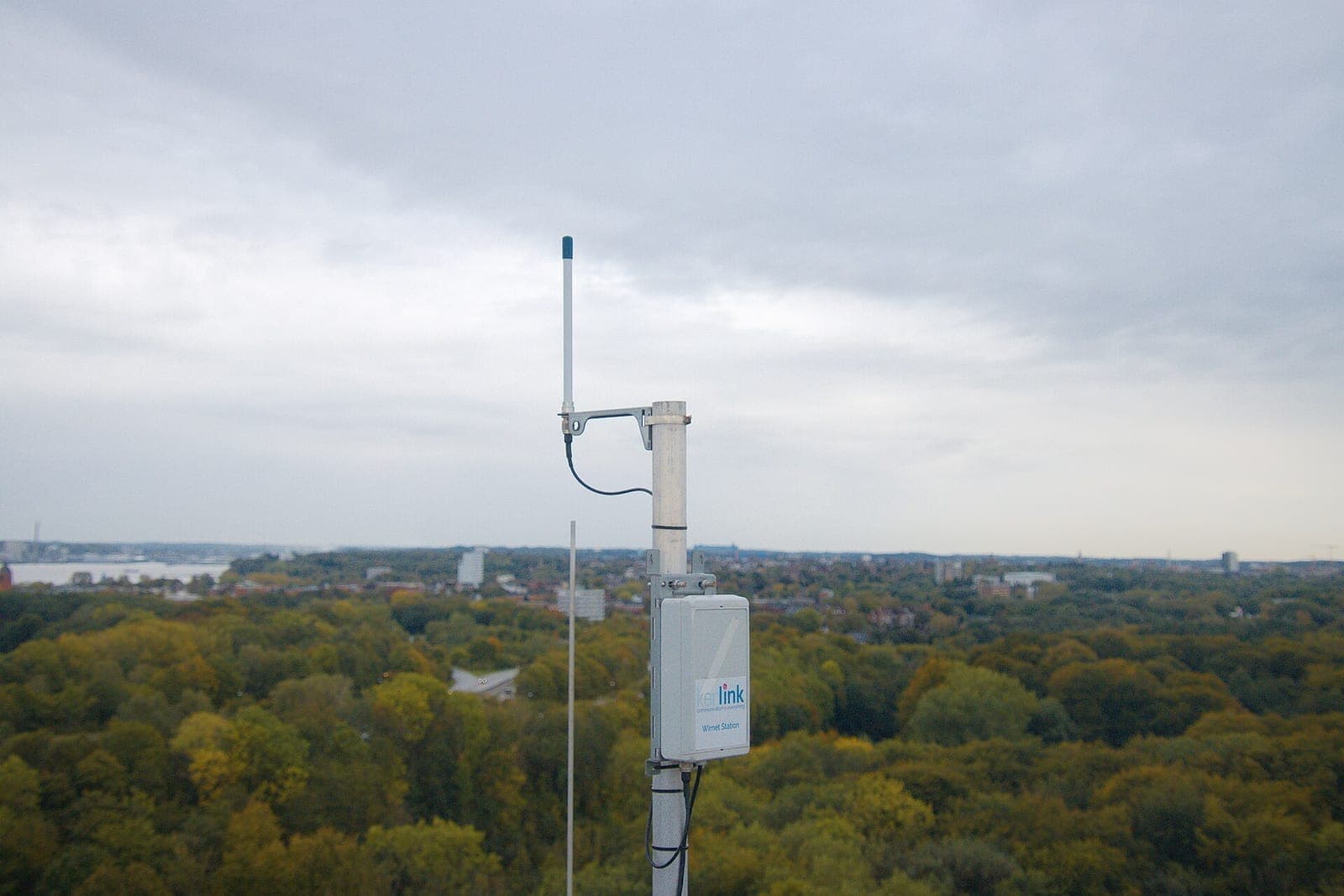
- Network layer: the wireless or wired link that carries the reading, directly or through a gateway; for example LoRaWAN, cellular, Wi-Fi or Ethernet.
- Platform layer: collects and stores the data, processes it with rules and manages the devices.
- Application layer: what the user sees, such as dashboards, reports, alerts and integrations with other software.
What data do sensors produce?
Sensors convert the physical state of an environment or a piece of equipment into numbers. Temperature, humidity, vibration, flow, electricity use, door open or closed and occupancy are the usual ones. The choice depends on which question you want answered.
The same sensor can serve different purposes. Temperature matters for food safety in one place and for comfort in another. So the right order is to define the process to monitor and the person who will act on it before picking the sensor.
How does data get from the sensor to the platform?
Data travels from the measuring device to the platform through a gateway or a direct cellular connection. The right network depends on the location, the power source, how often data is sent and the coverage available.
Battery-powered devices that send data rarely suit low-power wide-area networks. Devices with constant power and higher data needs can use Ethernet or Wi-Fi. One network does not have to cover every scenario; several can be combined.
What does an IoT platform do?
An IoT platform is the software layer where incoming data is collected, stored, processed and visualised. Device registration, user permissions, threshold rules and alarm notifications are managed there as well.
A good platform brings data from different device brands into one format and passes it on to other systems through open interfaces. Choosing a platform is a topic of its own, with criteria such as data ownership, integration and maintenance.
Where should an IoT project start?
An IoT project should start with a small pilot and one clear question. Monitoring the temperature of a single warehouse, or seeing the water use of one building, is a sufficient start.
- Define the problem and the measurement that answers it.
- Check the measurement points and site conditions (coverage, power, mounting) with a site survey.
- Set up a pilot with a limited number of devices and collect data for a set period.
- Use the pilot results to settle thresholds, reports and a rollout plan.
IoT is not a product but an approach that links measurement to decisions. If you settle what to measure and who will use the data, choosing the technology becomes easier. If you would like to work out which points to measure for your case, you can reach us through our custom solutions page.
Frequently asked questions
- What is the difference between IoT and IIoT?
- IIoT is the use of IoT in industrial settings such as factories and infrastructure. The technology is the same; industrial environments simply expect more durability, continuity and security.
- Do I need to replace my existing systems to use IoT?
- Usually not. Many projects add sensors or a gateway to existing meters, PLCs or devices. The real answer depends on the interfaces of your equipment and is settled in a site survey.
- Is IoT data secure?
- It can be, when designed properly. Device authentication, encrypted communication, access control and regular updates are needed. Where the data is stored should also be asked from the start.
- Can a small business use IoT?
- Yes. A small pilot can begin with a single measurement point. What matters is that the decision to be made from the result is clear; the number of devices comes second.
- Is an internet connection required for IoT?
- In most scenarios a connection is needed to reach the platform. Some setups can also process data locally and store readings during an outage, sending them later. This should be decided at the design stage.