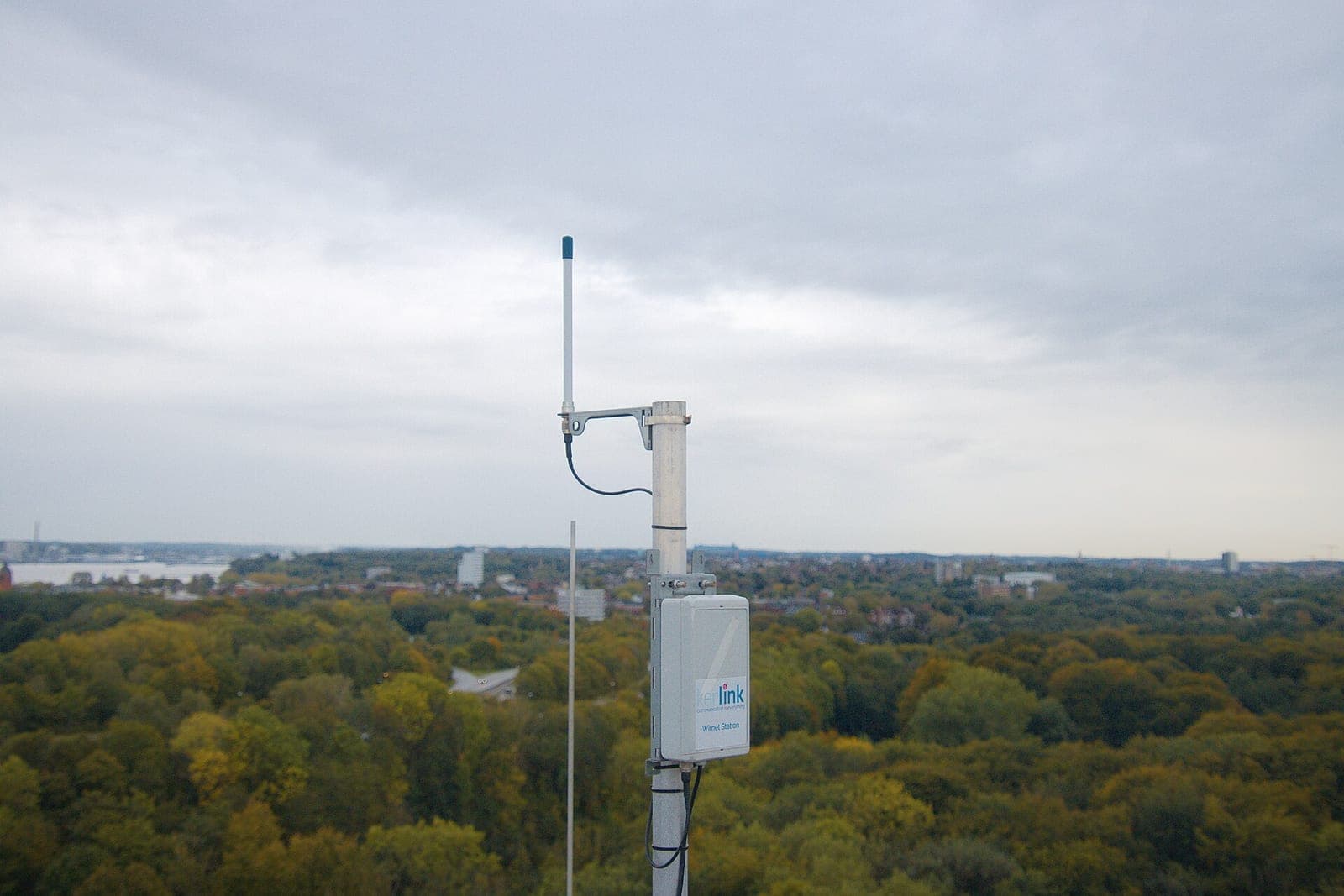

LoRaWAN gateway installation: placement, antenna, coverage
Install a LoRaWAN gateway as high and as open as possible, away from obstructions, with a suitable antenna and a reliable connection. Real coverage is settled by a pilot measurement, not a theoretical estimate.
Request a demoRenokta Ekibi ·
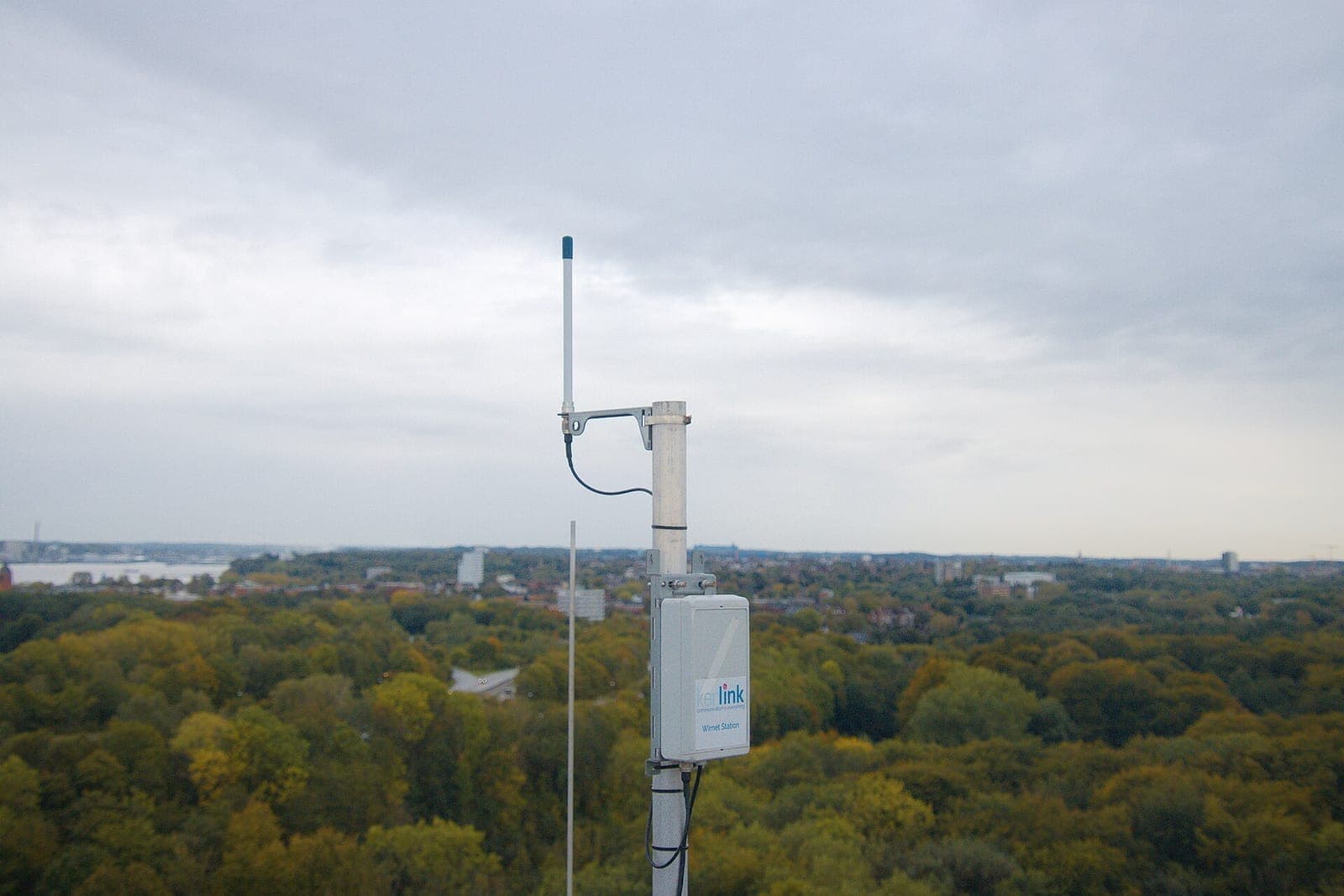
- 1. Site surveyReview device locations, obstacles, power and internet access.
- 2. Location and antennaChoose a high, open point and a suitable antenna placement.
- 3. InstallationMount the gateway, supply power and a link, and connect it to the platform.
- 4. Pilot measurementWatch the messages of test devices at the hardest points.
- 5. ImprovementAdjust position or antenna for weak points and add a gateway if needed.
The coverage of a LoRaWAN gateway depends above all on its location and on how the antenna is placed. Mounting the gateway high, in the open and away from metal or concrete obstacles is the most effective step for coverage. This article lists the points to decide before installation.
Listing the planned measurement points before installation makes the job easier. Which devices are indoors, which are outdoors and which move around directly affects the number and position of gateways.
Where is the best place for a gateway?
A gateway should go at the highest, most open point that can see the area where the devices are. A roof, terrace or tall mast are good candidates. Enclosed places such as the ground floor or a basement narrow the coverage.
- Choose a point close to the centre of most devices.
- Gain height; even a few metres can help clear surrounding obstacles.
- Avoid positions facing metal sheets, concrete walls and dense partitions.
- Prefer a place where power and internet can be brought in easily.
A gateway on a roof or mast needs safe access for maintenance. Protection against lightning and severe weather should be planned with the relevant specialists.
How should the antenna be chosen and placed?
The antenna must suit the frequency band in use and should stand upright in a clear position as far as possible. If the gateway is indoors and the antenna outside, keep the cable short to reduce loss.
The gain and radiation pattern of the antenna affect coverage. Which antenna suits depends on the gateway model and the environment, so rely on the manufacturer's data. For outdoor installations, protecting connectors and cable joints from moisture and water is also important.
What does coverage depend on?
Real coverage varies with distance, obstacles, the height of the device and the radio noise of the environment. The same gateway can give very different results in open country and in a city.
So treating any single number as a general range is misleading. Difficult cases, such as devices in basements, lifts or metal cabinets, should be considered separately, with an extra gateway planned if needed.
Another factor is the device antenna and the surface it is mounted on. A sensor stuck to a metal surface can give a weaker signal than the same sensor standing free in the same spot. Mounting instructions are therefore part of the coverage plan.
What is EU868 and why does it matter?
EU868 is the LoRaWAN frequency plan defined for Europe and uses the unlicensed band around 868 MHz. The device and the gateway must be set to the same regional plan.
This band has rules on the number of channels, power limits and duty cycle. Because these can differ by country, follow current legislation and official texts before installation and check the regional settings with the device manufacturer.
How is a pilot measurement done?
In a pilot, a few devices are placed at the target points and the messages the gateway receives from them are observed for a period. The aim is to see the real situation on site, not an estimate.
- Install the gateway at the planned location and connect it to the platform.
- Place test devices at the hardest points, such as a basement, a far corner or a closed room.
- Watch for a set period whether messages arrive and how good the signal is.
- For weak points, change the gateway position or antenna, and add a second gateway if needed.
During the pilot, look not only at whether a message arrives but at how often and with what signal quality. A point with a borderline signal can drop out from time to time because of weather or changes around it. It is good practice to run the pilot long enough to see such variation.
A good gateway installation comes from a high, open location, a suitable antenna and coverage verified on site. A pilot measurement before committing reduces both cost and surprises. If you want to plan the gateway location and coverage for your site together, you can write to us through our custom solutions page for a needs discovery.
Frequently asked questions
- How many metres does a LoRaWAN gateway cover?
- There is no fixed figure. Coverage varies with obstacles, height, the antenna and the radio noise around. The real value should be established by a pilot measurement on site.
- Can I install a gateway indoors?
- You can, but coverage usually shrinks. Placing it near a window or on the roof, with the antenna outside and high, generally gives better results.
- Is a single gateway enough?
- In a small, open area it can be. Wide, obstructed or multi-storey sites may need more gateways, which a pilot measurement will show. An extra gateway also adds redundancy.
- Can I use a plan other than EU868?
- Devices used in Turkey must have regional settings that comply with current legislation and official texts. Confirm the valid plan with the device manufacturer and the relevant authorities.
- How does the gateway get its internet connection?
- Usually over Ethernet; Wi-Fi or cellular can also be used. Ask separately whether the gateway model can buffer data during a connection outage.