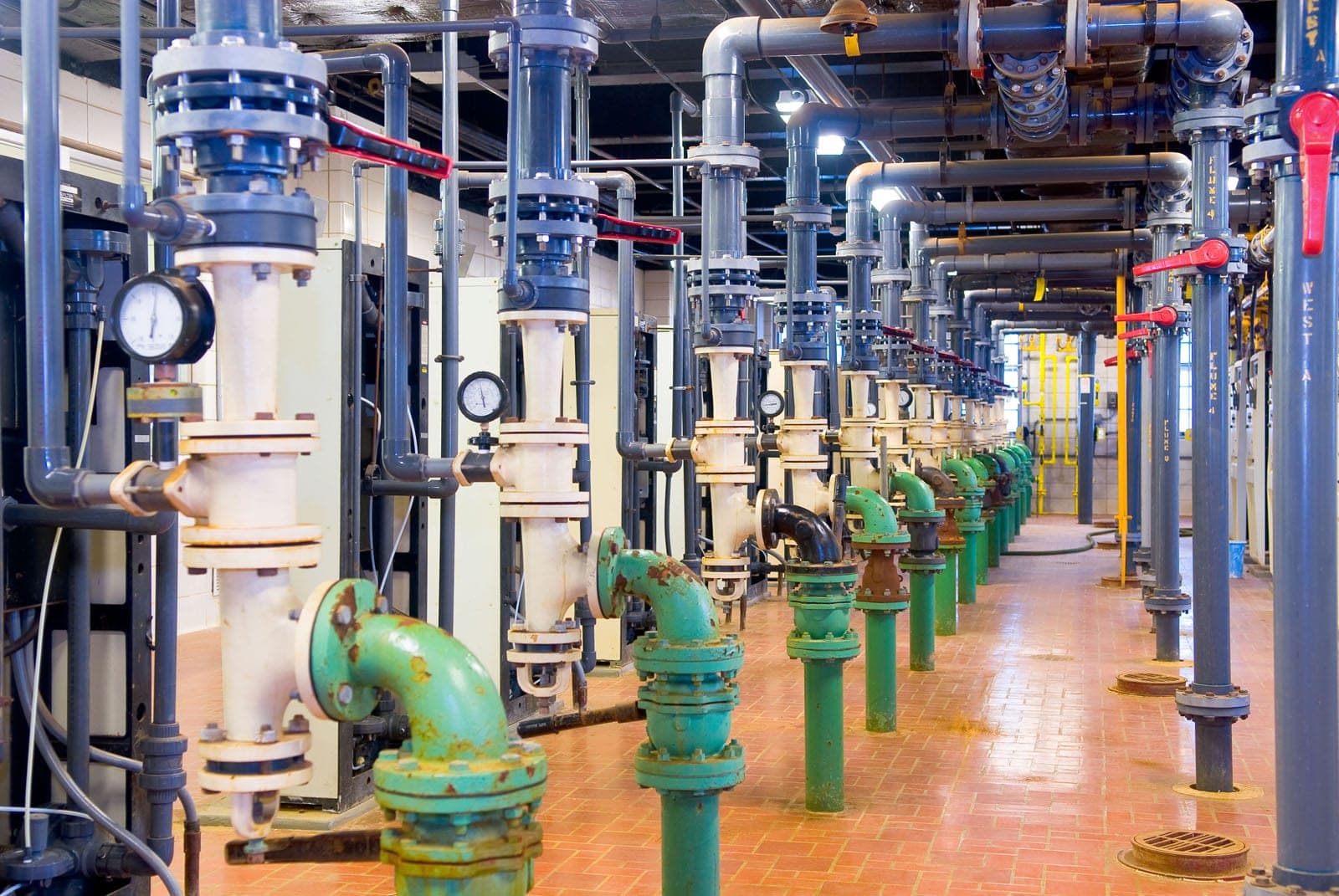

Detecting water leaks and monitoring use
Reading consumption wirelessly from the meter, watching night-time flow and placing leak sensors at critical points catches leaks early. Instead of waiting for the monthly bill, you look at hourly data.
Request a demoRenokta Ekibi ·
- 1. Meters and pointsThe main meter, sub-lines and risky points are identified.
- 2. Sensor installationPulse counters, leak and pressure sensors are fitted.
- 3. Hourly dataConsumption and pressure are sent wirelessly to the platform.
- 4. Normal baselineA few weeks of data give the night-flow baseline.
- 5. Alarm and responseFlow above the baseline or a wet sensor raises an alarm.
Water leaks are caught early by reading consumption wirelessly from the meter, analysing night-time flow and placing leak sensors at critical points. In most businesses water use is seen only on the monthly bill, so a leak can run unnoticed for weeks; continuous monitoring cuts that delay to hours.
What are the basic methods for catching water leaks?
There are three basic methods: meter reading, leak sensors and pressure monitoring.
- Meter reading: a counter attached to a water meter with a pulse output sends consumption wirelessly. You get a smart meter without replacing the existing one.
- Leak sensors: placed on the floor of boiler rooms, tanks and wet areas, they report the presence of water immediately.
- Pressure monitoring: a sudden pressure drop in a pipe signals a burst or a large leak.
How does night-flow analysis reveal a leak?
Continuous flow while the premises are closed is the most reliable sign of a leak. When closed, consumption should be near zero. A few weeks of data give the normal night baseline, and anything above it raises an alarm.
When should alarms be raised?
Four situations are typical alarm triggers.
- Uninterrupted flow through the night.
- A clear increase over previous weeks for the same time slot.
- A leak sensor getting wet.
- A sudden drop in pipe pressure.
How do you start monitoring water?
Start with a small pilot on the main meter and the few riskiest points.
- Identify the main meter and the biggest sub-lines.
- Check whether the meters have a pulse output.
- Pilot with the main meter and the two or three riskiest points.
- Collect a few weeks of data to find the normal baseline, then set alarm limits.
Renokta works with pulse counters, leak and pressure sensors in its water monitoring solution; details are on the solution page.
Frequently asked questions
- How can a water leak be spotted from consumption data?
- Continuous flow while the premises are closed points to a leak. A few weeks of data give the normal night baseline, and anything above it raises an alarm.
- Can an existing water meter become a smart meter?
- Yes, if the meter has a pulse output. A counter on that output sends consumption wirelessly without replacing the meter. Check for the pulse output first.
- Where should a leak sensor be placed?
- Where water can collect, such as the floor of boiler rooms, tanks and wet areas. The sensor reports the presence of water immediately.
- What does pressure monitoring show?
- A sudden pressure drop in a pipe signals a burst or a large leak. Pressure monitoring shows such sudden events without waiting hours.
- When should alarm limits be set?
- After collecting a few weeks of data and finding the normal baseline. Limits set without data can cause false alarms or missed leaks.